Types of lasagna is not one recipe but a family of layered pasta bakes that split along three axes: the sauce (red, white, or green), the filling (meat, vegetable, or seafood), and the assembly (flat sheets, rolled, or open-faced). Once you understand those axes, you can build any version without a recipe card.
Advertisements1
The numbers matter more than the romance here. A standard 9×13 inch (23×33 cm) pan holds about 12 lasagna sheets and 6 cups (1.4 L) of total filling if you want clean slices. Push past that and the layers slide; stay under it and you get a thin, dry bake.
Below are the seven styles I actually cook, with realistic prep and cook times, plus the layering logic that keeps each one from turning into soup. Pick a style, follow the ratio, and adjust from there.
Why You'll Love This Recipe
About the Ingredients
12 lasagna sheets (about 10 oz / 280 g), regular or no-boil
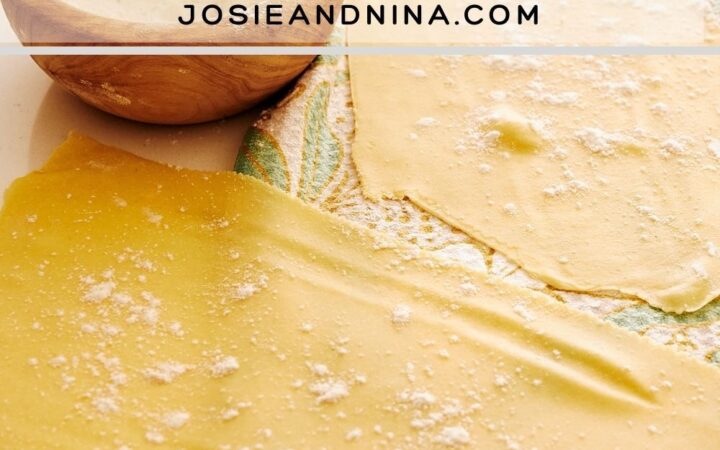
Regular sheets need 4 to 5 minutes in boiling salted water; no-boil sheets save 15 minutes but absorb more sauce, so add 1 extra cup (240 ml) of liquid. Substitute fresh egg pasta sheets if you can find them, but reduce the bake by 5 minutes.
1 lb (450 g) ground beef, 80/20 lean-to-fat
80/20 gives the fat that carries the tomato flavor; 90/10 turns dry after a 35-minute bake. Substitute ground turkey or a 50/50 beef-and-pork blend for a sweeter, richer ragù.
1 lb (450 g) whole-milk ricotta
Whole-milk ricotta holds its shape; part-skim releases water and thins the layers. If ricotta is unavailable, blend 12 oz (340 g) cottage cheese with 2 oz (55 g) cream cheese for a close texture match.
3 cups (720 ml) marinara or crushed San Marzano tomatoes
Crushed San Marzanos are sweeter and less acidic than standard canned tomatoes, so you need less sugar. Substitute a good jarred marinara if you are short on time, but check the sodium, since some brands run over 500 mg per half cup.
2 cups (225 g) low-moisture mozzarella, shredded
Low-moisture melts cleanly and browns; fresh mozzarella releases water and makes the top soggy. Substitute a 50/50 mix of mozzarella and provolone for a sharper pull.
1/2 cup (50 g) Parmigiano-Reggiano, finely grated
Real Parmigiano is aged 24 months and adds umami; domestic parmesan is saltier and cheaper. Substitute Pecorino Romano, but cut the amount by a third because it is much saltier.
2 large eggs
Eggs bind the ricotta so slices hold their shape after resting. Substitute 3 tablespoons (45 ml) heavy cream if you are avoiding eggs, though the set will be slightly looser.
2 tablespoons (30 ml) olive oil
Use regular, not extra-virgin, for the sauté since it has a higher smoke point. Substitute avocado oil if you want a neutral flavor.
1 teaspoon kosher salt, plus more for the pasta water
Kosher salt dissolves faster and seasons more evenly than table salt. If using fine table salt, reduce to 3/4 teaspoon.
1/4 teaspoon freshly ground black pepper
Fresh-cracked pepper is more aromatic than pre-ground. Substitute white pepper for a milder heat in white lasagna.
Tips & Tricks
Do not skip resting
A 10 to 15 minute rest after baking lets the layers set. Cut immediately and you get a puddle, not a slice.
Salt the pasta water hard
Use 1 tablespoon (18 g) salt per gallon (3.8 L) of water. Bland sheets cannot be fixed later by sauce.
Watch the sauce moisture
If your marinara is thin, simmer it 10 minutes to reduce before layering. Watery sauce is the number one cause of collapsed lasagna.
Weigh your layers
Aim for 1 1/2 cups (360 ml) sauce per layer and 1 cup (225 g) ricotta mixture. Even layers bake evenly.
Pro Tips
Step-by-Step Instructions
1. Boil and drain sheets
Bring 1 gallon (3.8 L) of water with 1 tablespoon (18 g) salt to a rolling boil at 212 F (100 C). Cook 12 lasagna sheets 4 to 5 minutes until pliable but still firm, then drain and lay flat on a lightly oiled sheet pan. The sheets should bend without cracking.
2. Brown the meat
Heat 2 tablespoons (30 ml) olive oil in a 12-inch skillet over medium-high, about 375 F (190 C), and cook 1 lb (450 g) ground beef 6 to 8 minutes until no pink remains and the edges are browned. Browning, not steaming, is what builds the flavor base.
3. Build the sauce
Add 3 cups (720 ml) marinara to the beef, season with 1 teaspoon kosher salt and 1/4 teaspoon pepper, and simmer 10 minutes at a low bubble, around 200 F (93 C), until it coats a spoon. A spoon dragged through the sauce should leave a clean track.
4. Mix the ricotta layer
Stir together 1 lb (450 g) whole-milk ricotta, 2 eggs, 1/2 cup (50 g) Parmigiano, and 1 cup (225 g) mozzarella in a bowl until uniform. The mixture should hold a soft peak on a spatula, not run off it.
5. Layer the pan
Spread 1 cup (240 ml) sauce in a 9×13 inch (23×33 cm) pan, then add 4 sheets, 1 1/2 cups (360 ml) sauce, and half the ricotta mix. Repeat once, then finish with the last 4 sheets, remaining sauce, and 1 cup (225 g) mozzarella.
6. Bake covered
Cover tightly with foil and bake at 375 F (190 C) for 25 minutes. The sauce at the edges should be bubbling and the center should read 165 F (74 C) on an instant-read thermometer.
7. Uncover and brown
Remove the foil and bake another 10 to 12 minutes at 375 F (190 C) until the cheese is golden brown in spots and the edges bubble steadily. Pull it when the top is blistered, not blackened.
8. Rest and slice
Rest the pan on a wire rack 10 to 15 minutes before cutting into 6 portions. The slices should hold a clean edge with no sauce running out.
Delicious Variations
White Seafood Lasagna
Swap the marinara for a 3-cup (720 ml) béchamel and the beef for 1 lb (450 g) shrimp and lump crab. Bake 30 minutes covered, 8 uncovered; the seafood overcooks past 40 minutes total.
Vegetable Garden Lasagna
Replace the beef with 4 cups (about 500 g) roasted zucchini, bell pepper, and mushrooms, and add 1 cup (250 g) ricotta. Roast the vegetables first at 425 F (220 C) for 20 minutes so they do not water out the pan.
Rolled Lasagna (Lasagne Roll-Ups)
Spread the ricotta mix on each boiled sheet, roll, and stand the rolls upright in the pan. Bake 30 minutes covered at 375 F (190 C), 10 uncovered; they portion cleaner but brown less evenly.
How to Store Types Of Lasagna
Refrigerator
Cover tightly or transfer to an airtight container and refrigerate up to 4 days. Keep it in the pan if you plan to reheat whole portions.
Freezer
Wrap individual slices in plastic, then foil, and freeze up to 3 months. Thaw overnight in the fridge before reheating to avoid a watery texture.
Reheating
Reheat covered at 350 F (175 C) for 20 to 25 minutes, or microwave single slices 2 to 3 minutes at 50 percent power. Add 1 tablespoon (15 ml) water or sauce to keep it from drying.
Frequently Asked Questions
Q: How many types of lasagna are there?
There are at least seven commonly recognized styles: classic Bolognese, white béchamel, seafood, vegetable, pesto, rolled, and open-faced skillet lasagna. They differ mainly by sauce color and filling, not by pasta type, so the same 12 sheets work for all of them. Regional Italian versions add more, but those seven cover nearly everything home cooks search for.
Q: What is the difference between red and white lasagna?
Red lasagna uses a tomato-based sauce, while white lasagna uses a béchamel or cream sauce with no tomato. White lasagna tastes richer and milder, and it browns faster because dairy scorches before tomato does. If you are converting a red recipe to white, cut the bake by 5 minutes and check at 20.
Q: Do I need to boil lasagna sheets before baking?
No-boil sheets work fine, but you must add about 1 extra cup (240 ml) of liquid because the sheets absorb sauce as they hydrate. Regular sheets boiled 4 to 5 minutes give a more tender, predictable result. If you use no-boil, let the assembled pan sit 20 minutes before baking so the sheets soften evenly.
Q: How do I keep lasagna from getting watery?
Drain the ricotta in a fine-mesh strainer for 30 minutes, reduce thin sauce by simmering 10 minutes, and never use fresh mozzarella. Those three fixes remove most of the free water before it reaches the oven. Resting the baked lasagna 10 to 15 minutes also lets the remaining liquid reabsorb.
Q: Can I make lasagna ahead of time?
Yes, assemble it up to 24 hours ahead, cover, and refrigerate; add 5 to 10 minutes to the covered bake time since it starts cold. You can also freeze it unbaked for up to 3 months, then bake from frozen at 375 F (190 C) for 60 to 70 minutes covered. Either way, do not boil no-boil sheets if you are holding it overnight.
Pick one style, cook it twice, and note what changed. The second batch is where the layering logic clicks, and after that you can build any lasagna from ratios alone. Invest in your knowledge.
Types Of Lasagna
Types Of Lasagna explained: seven distinct styles, from classic Bolognese to white seafood, with cook times, layering rules, and nutrition for each.
🧂 Ingredients
- 12 lasagna sheets (about 10 oz / 280 g), regular or no-boil
- 1 lb (450 g) ground beef, 80/20 lean-to-fat
- 1 lb (450 g) whole-milk ricotta
- 3 cups (720 ml) marinara or crushed San Marzano tomatoes
- 2 cups (225 g) low-moisture mozzarella, shredded
- 1/2 cup (50 g) Parmigiano-Reggiano, finely grated
- 2 large eggs
- 2 tablespoons (30 ml) olive oil
- 1 teaspoon kosher salt, plus more for the pasta water
- 1/4 teaspoon freshly ground black pepper
📋 Instructions
- 1Boil and drain sheets — Bring 1 gallon (3.8 L) of water with 1 tablespoon (18 g) salt to a rolling boil at 212 F (100 C). Cook 12 lasagna sheets 4 to 5 minutes until pliable but still firm, then drain and lay flat on a lightly oiled sheet pan. The sheets should bend without cracking.
- 2Brown the meat — Heat 2 tablespoons (30 ml) olive oil in a 12-inch skillet over medium-high, about 375 F (190 C), and cook 1 lb (450 g) ground beef 6 to 8 minutes until no pink remains and the edges are browned. Browning, not steaming, is what builds the flavor base.
- 3Build the sauce — Add 3 cups (720 ml) marinara to the beef, season with 1 teaspoon kosher salt and 1/4 teaspoon pepper, and simmer 10 minutes at a low bubble, around 200 F (93 C), until it coats a spoon. A spoon dragged through the sauce should leave a clean track.
- 4Mix the ricotta layer — Stir together 1 lb (450 g) whole-milk ricotta, 2 eggs, 1/2 cup (50 g) Parmigiano, and 1 cup (225 g) mozzarella in a bowl until uniform. The mixture should hold a soft peak on a spatula, not run off it.
- 5Layer the pan — Spread 1 cup (240 ml) sauce in a 9×13 inch (23×33 cm) pan, then add 4 sheets, 1 1/2 cups (360 ml) sauce, and half the ricotta mix. Repeat once, then finish with the last 4 sheets, remaining sauce, and 1 cup (225 g) mozzarella.
- 6Bake covered — Cover tightly with foil and bake at 375 F (190 C) for 25 minutes. The sauce at the edges should be bubbling and the center should read 165 F (74 C) on an instant-read thermometer.
- 7Uncover and brown — Remove the foil and bake another 10 to 12 minutes at 375 F (190 C) until the cheese is golden brown in spots and the edges bubble steadily. Pull it when the top is blistered, not blackened.
- 8Rest and slice — Rest the pan on a wire rack 10 to 15 minutes before cutting into 6 portions. The slices should hold a clean edge with no sauce running out.

Lucas covers personal finance and investing for beginners, breaking down complex topics into simple, relatable concepts. He focuses on practical strategies for saving, budgeting, and building wealth without hype.