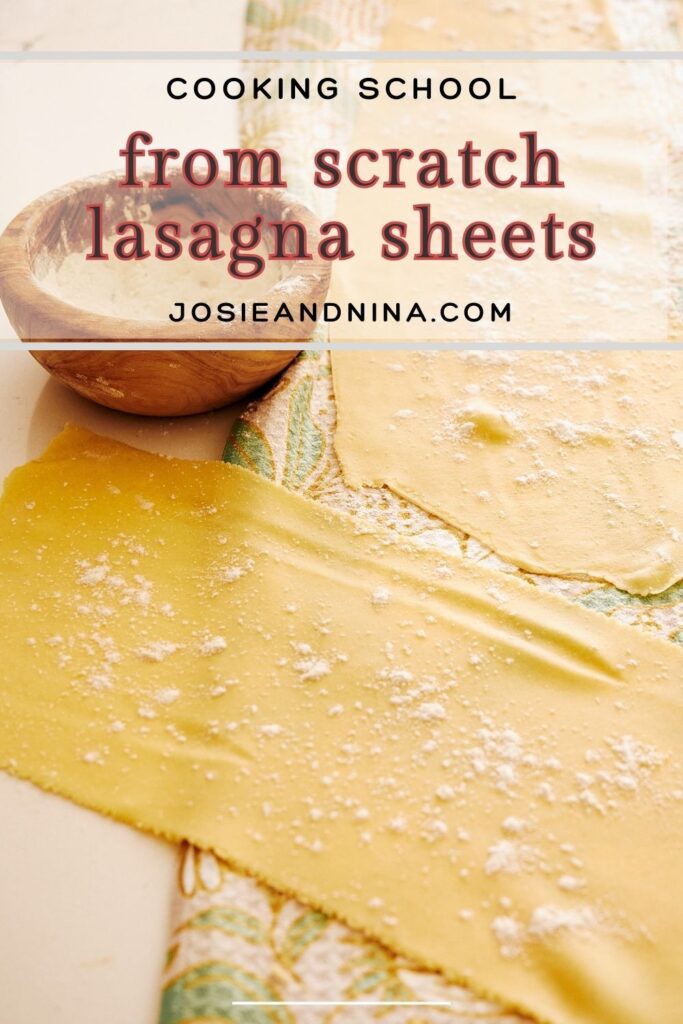
I still remember the first time I swapped boxed lasagna noodles for fresh sheets I rolled myself. My whole kitchen smelled like a Sunday in my grandmother's house. The layers held together beautifully, and nobody needed a knife to cut through them.
Advertisements1
This Pasta For Lasagna recipe is the dough I make when I want lasagna that tastes like a special occasion but still fits a busy weeknight. It comes together with four basic ingredients and about 15 minutes of hands-on work.
If you have ever worried that fresh pasta is fussy, let me put that fear to rest. I will walk you through every fold and roll, and you will be layering like a pro before your sauce even finishes simmering.
Why You'll Love This Recipe
About the Ingredients
2 1/4 cups (270g) all-purpose flour, plus extra for dusting
All-purpose flour gives a tender, easy-to-roll dough. For a chewier bite, swap in bread flour, or use 00 flour for the silkiest Italian-style sheets.
3 large eggs, at room temperature
Room-temperature eggs blend into the flour more evenly. If you are out of eggs, whisk 3/4 cup aquafaba and use it the same way.
2 large egg yolks
Extra yolks add richness and a golden color. Save the whites for an omelet or a quick egg wash on bread.
1 tablespoon olive oil
A little fat keeps the dough supple and prevents sticking. Any neutral oil works, but olive oil adds a subtle savory note.
1 teaspoon fine sea salt
Salt seasons the pasta from the inside out. Use fine sea salt rather than flaky salt so it dissolves evenly.
2 tablespoons semolina flour, for dusting
Semolina is coarser than all-purpose flour and keeps fresh sheets from clinging. Cornmeal or extra all-purpose flour are fine substitutes.
Tips & Tricks
- Weigh your flour if you can. Scooping straight from the bag can pack in up to 20 percent extra flour, which makes the dough stiff and hard to roll.
- Let the dough rest before rolling. A 20-minute rest hydrates the flour and relaxes the gluten, so the sheets stretch without snapping back.
- Roll thinner than you think. Fresh pasta plumps as it bakes, so aim for sheets you can almost see your hand through.
Pro Tips
Step-by-Step Instructions
1. Mound the flour
Pile the flour and salt on a clean counter and make a wide well in the center. Crack the eggs, yolks, and olive oil into the well.
2. Whisk the eggs
Use a fork to beat the eggs gently, pulling a little flour in from the inner walls as you go. Keep the walls intact so the liquid does not escape.
3. Bring it together
When the mixture thickens into a shaggy paste, use your hands to fold in the rest of the flour. Knead until no dry flour remains, about 2 minutes.
4. Knead until smooth
Knead the dough on a lightly floured surface for 8 to 10 minutes at room temperature. It is ready when it feels smooth and springs back slowly when poked, like soft clay.
5. Rest the dough
Wrap the ball tightly in plastic and rest it at room temperature for 20 minutes. This relaxes the gluten so the sheets roll out thin without shrinking.
6. Roll into sheets
Cut the dough into 4 pieces and roll each through a pasta machine from the widest setting down to setting 6 or 7. You want sheets about 1/16 inch (1.5mm) thick, thin enough to see your fingers through.
7. Cut to fit
Lay each sheet on a semolina-dusted tray and trim it to fit your baking dish. Cover with a damp towel while you finish the rest.
8. Use or dry
Layer the fresh sheets directly into your lasagna, or hang them for 30 minutes at room temperature to dry if you are saving them for later.
Delicious Variations
Spinach Pasta
Blend 4 ounces (115g) thawed, squeezed-dry spinach into the eggs for green sheets that sneak in extra veggies.
Herb and Pepper
Add 2 tablespoons chopped fresh basil and 1 teaspoon cracked black pepper to the flour for a fragrant, speckled dough.
Whole Wheat Blend
Replace 1 cup (120g) of the all-purpose flour with whole wheat flour for a nuttier, heartier sheet that holds up to chunky sauces.
How to Store Pasta For Lasagna
Refrigerator
Wrap fresh sheets in plastic and refrigerate for up to 2 days. Dust with semolina first so they do not fuse together.
Freezer
Roll sheets into loose coils, freeze on a tray for 1 hour, then transfer to a freezer bag for up to 2 months.
Reheating
Use frozen sheets straight in the lasagna without thawing. They will soften as the lasagna bakes at 375F (190C).
Frequently Asked Questions
Q: Can I use this pasta for lasagna without boiling it first?
Yes, fresh pasta sheets go straight into the lasagna uncooked. They absorb moisture from the sauce and bake into tender layers in about 45 minutes at 375F (190C).
Q: How thin should I roll pasta for lasagna?
Roll the sheets to about 1/16 inch (1.5mm), or setting 6 to 7 on most pasta machines. Thinner sheets taste delicate, while thicker ones can turn chewy after baking.
Q: Can I make this pasta dough without a pasta machine?
Yes, you can roll the dough by hand with a rolling pin on a floured surface. It takes about 5 extra minutes per sheet, and you should roll until the dough is nearly translucent.
Q: Why did my fresh pasta sheets stick together?
The sheets likely lacked enough semolina dusting between layers. Toss each sheet with a light coat of semolina or all-purpose flour before stacking or coiling them.
Q: How many lasagna sheets does this recipe make?
This dough makes about 12 to 14 sheets, enough for one 9×13 inch lasagna with a few extras. Trimmed scraps can be rerolled once without losing quality.
Give this Pasta For Lasagna a try the next time you plan a cozy dinner, and tell me how your layers turned out. Snap a photo, tag me, and share your favorite filling combo in the comments. Small steps, big impact.
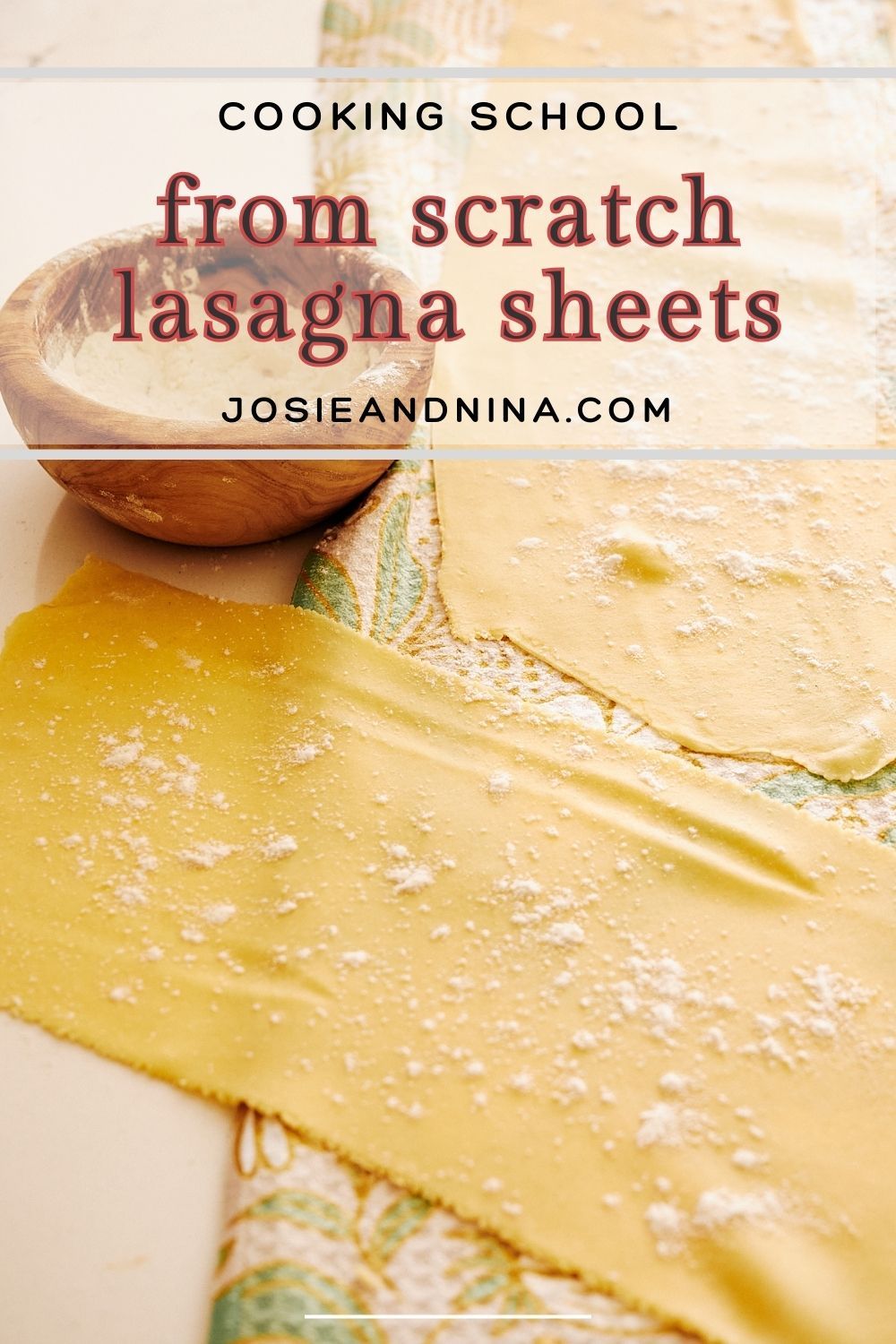
Pasta For Lasagna
Pasta For Lasagna is a simple homemade egg dough that bakes into tender, never-soggy layers with rich, saucy flavor in every bite.
🧂 Ingredients
- 2 1/4 cups (270g) all-purpose flour, plus extra for dusting
- 3 large eggs, at room temperature
- 2 large egg yolks
- 1 tablespoon olive oil
- 1 teaspoon fine sea salt
- 2 tablespoons semolina flour, for dusting
📋 Instructions
- 1Mound the flour — Pile the flour and salt on a clean counter and make a wide well in the center. Crack the eggs, yolks, and olive oil into the well.
- 2Whisk the eggs — Use a fork to beat the eggs gently, pulling a little flour in from the inner walls as you go. Keep the walls intact so the liquid does not escape.
- 3Bring it together — When the mixture thickens into a shaggy paste, use your hands to fold in the rest of the flour. Knead until no dry flour remains, about 2 minutes.
- 4Knead until smooth — Knead the dough on a lightly floured surface for 8 to 10 minutes at room temperature. It is ready when it feels smooth and springs back slowly when poked, like soft clay.
- 5Rest the dough — Wrap the ball tightly in plastic and rest it at room temperature for 20 minutes. This relaxes the gluten so the sheets roll out thin without shrinking.
- 6Roll into sheets — Cut the dough into 4 pieces and roll each through a pasta machine from the widest setting down to setting 6 or 7. You want sheets about 1/16 inch (1.5mm) thick, thin enough to see your fingers through.
- 7Cut to fit — Lay each sheet on a semolina-dusted tray and trim it to fit your baking dish. Cover with a damp towel while you finish the rest.
- 8Use or dry — Layer the fresh sheets directly into your lasagna, or hang them for 30 minutes at room temperature to dry if you are saving them for later.

Maya writes about sustainable living and zero-waste practices, focusing on small, achievable changes for everyday life. She shares practical tips from her own experiments in reducing waste at home and in her community.