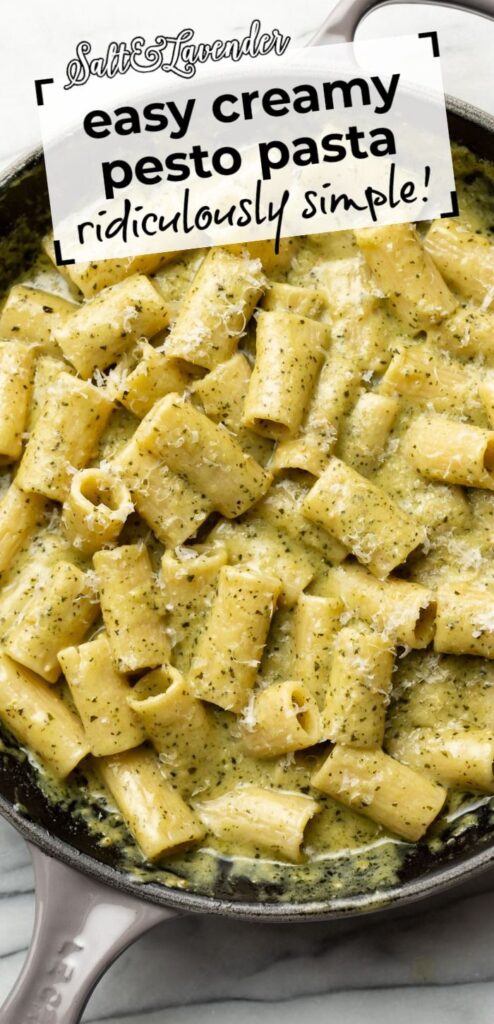
Pesto Garlic Pasta is the dish I make on nights when I want something that tastes like a trattoria but costs about $9 for the whole pot. The trick is blooming minced garlic in olive oil just until it smells sweet, then whisking in pesto off the heat so the basil stays bright green instead of turning army-drab.
Advertisements1
I tested this recipe six times in my tiny apartment kitchen, and the version below is the one my neighbors asked me to write down. You need 15 minutes of prep, 35 minutes total, one large skillet, and a pot of salted water. That's it.
If you've ever ended up with oily pesto pasta or gluey noodles, the fix is almost always pasta water and timing. I'll walk you through both, step by step, with the exact temperatures and visual cues I use at home.
Why You'll Love This Recipe
About the Ingredients
1 lb (454g) dried spaghetti or linguine
Long pasta traps the sauce best; linguine gives a slightly chewier bite. Sub gluten-free spaghetti or bucatini if that's what's in your cupboard, just check the package boil time.
1/3 cup (80ml) extra-virgin olive oil
Use a fruity, mid-priced oil here since it carries the garlic. Sub avocado oil if you prefer a neutral flavor, but don't use butter alone or the sauce turns heavy.
6 garlic cloves, thinly sliced (about 2 tbsp)
Sliced garlic blooms evenly and gives you golden chips instead of burnt specks. Sub 1 1/2 tsp garlic paste if you're out, but add it off the heat.
1/2 tsp red pepper flakes
Adds a low background warmth that keeps the pesto from tasting flat. Sub 1/4 tsp cayenne for more heat, or skip it entirely for kids.
3/4 cup (180g) basil pesto, store-bought or homemade
Refrigerated pesto tastes far fresher than shelf-stable jars. Sub arugula or sun-dried tomato pesto for a completely different but delicious bowl.
1/2 cup (50g) finely grated Parmesan, plus more to serve
Freshly grated melts into the sauce; pre-shredded cheese stays gritty. Sub Pecorino Romano for a sharper, saltier finish.
1/3 cup (40g) walnuts, roughly chopped
Toasted walnuts add crunch and a little bitterness that balances the cheese. Sub toasted pine nuts, pecans, or pumpkin seeds for nut-free.
1 cup (150g) cherry tomatoes, halved
They burst slightly in the pan and add juicy sweetness. Sub 1 cup chopped roasted red peppers or frozen peas tossed in during the last minute.
1 tsp kosher salt for the pasta water, plus 1/4 tsp for the sauce
Salting the water is your only chance to season the noodles from the inside. Sub 3/4 tsp fine sea salt if you don't have kosher.
1/2 cup (120ml) reserved pasta water
This starchy water is the emulsifier that makes the sauce creamy. Don't skip it, and don't drain the pasta in a colander without scooping some out first.
Tips & Tricks
Don't burn the garlic
Slice it evenly and pull the pan off the heat the second the edges turn pale gold, because garlic goes from sweet to acrid in about 20 seconds.
Save more pasta water than you think
Scoop 1 cup even if you only need 1/2 cup, since dry pasta soaks up sauce fast and you may need to loosen it at the table.
Add pesto off the heat
Boiling or frying pesto dulls the basil and splits the oil, so stir it in once the pan is warm but no longer sizzling.
Toss in the pan, not the pot
Finishing the noodles in the skillet coats every strand instead of leaving sauce pooled at the bottom of a serving bowl.
Pro Tips
Step-by-Step Instructions
1. Boil the pasta
Bring 4 quarts of water to a rolling boil, add 1 tsp kosher salt, and cook the spaghetti 1 minute less than the package says. It should be flexible but still firm at the center when you bite it. Scoop out 1 cup of pasta water, then drain.
2. Toast the walnuts
While the water heats, add walnuts to a large dry skillet over medium heat, about 325F (165C), and toast 4 minutes, shaking often, until they smell nutty and turn one shade darker. Pour them onto a plate so they don't scorch.
3. Bloom the garlic
Return the skillet to medium-low, about 300F (150C), and add the olive oil, sliced garlic, and red pepper flakes. Cook 2 to 3 minutes, stirring constantly, until the garlic is pale golden and fragrant but not brown. If it starts to darken, slide the pan off the burner immediately.
4. Burst the tomatoes
Add the cherry tomatoes and 1/4 tsp salt to the garlic oil and cook 3 to 4 minutes, until the skins wrinkle and a few tomatoes split and release their juice. You should hear a gentle sizzle, not a violent spatter.
5. Kill the heat
Turn off the burner and let the pan sit 30 seconds so it stops sizzling. This keeps the pesto from cooking, which is what turns it bitter and dull green.
6. Whisk in pesto
Stir the pesto and Parmesan into the warm oil until you have a thick, glossy green sauce. Add 1/2 cup pasta water and whisk until it looks creamy and slightly lighter in color, about 30 seconds.
7. Toss the pasta
Add the drained spaghetti to the skillet and toss with tongs for 1 to 2 minutes over low heat, 250F (120C), until the sauce clings to every strand. If it looks tight or sticky, splash in more pasta water 2 tablespoons at a time.
8. Finish and serve
Fold in the toasted walnuts, taste, and add salt only if it needs it. Plate right away with extra Parmesan and a drizzle of olive oil, because this pasta is at its silkiest in the first 10 minutes.
Delicious Variations
Creamy Pesto Garlic Pasta
Stir 1/3 cup heavy cream into the garlic oil before adding the pesto for a richer, pink-tinged sauce.
Protein Pesto Pasta
Add 1 lb seared shrimp or sliced chicken at 375F (190C) for 4 minutes per side, then fold it in at the end.
Lemon Burst Pesto Pasta
Zest one lemon over the finished bowl and squeeze in half the juice to brighten the basil and cut the richness.
How to Store Pesto Garlic Pasta
Refrigerator
Store in an airtight container up to 3 days. The pasta will absorb sauce, so reheat with a splash of water or olive oil.
Freezer
Freeze sauced pasta up to 2 months in a freezer bag, pressed flat. Pesto darkens slightly but the flavor holds well.
Reheating
Warm in a skillet over medium-low heat, 250F (120C), for 4 to 5 minutes with 1 tablespoon water, or microwave covered in 30-second bursts.
Frequently Asked Questions
Q: Can I make pesto garlic pasta ahead of time?
Yes, you can make the garlic oil and toast the walnuts up to 2 days ahead and refrigerate them separately. Boil the pasta and toss everything together the day you serve it, since the sauce separates and the basil dulls after a few hours.
Q: Why did my pesto pasta turn out oily?
Oily pesto pasta almost always means the sauce never emulsified, usually because there wasn't enough starchy pasta water. Whisk 2 to 3 tablespoons of hot pasta water into the pesto and cheese before adding the noodles, and toss over low heat until the sauce looks creamy rather than greasy.
Q: Is pesto garlic pasta vegetarian?
It is vegetarian as written, since pesto, Parmesan, and walnuts contain no meat. For a fully vegan version, use a dairy-free pesto and swap the Parmesan for 1/4 cup nutritional yeast plus a pinch of salt.
Q: How much pasta water should I save?
Save at least 1 cup even though the recipe uses about 1/2 cup, because pasta keeps drinking up sauce as it sits. Extra water costs nothing and rescues a dry skillet in seconds.
Q: Can I use dried basil instead of pesto?
You can, but the flavor will be very different, so use 1 tablespoon dried basil plus 2 extra tablespoons olive oil and a handful of toasted nuts. Fresh or refrigerated pesto really is the star here, so I only go the dried route in a pinch.
If you make this Pesto Garlic Pasta, snap a photo of your bowl and tell me in the comments whether you went classic, creamy, or loaded it with shrimp. I read every single note, and I love hearing which swaps worked in your kitchen. Happy growing!
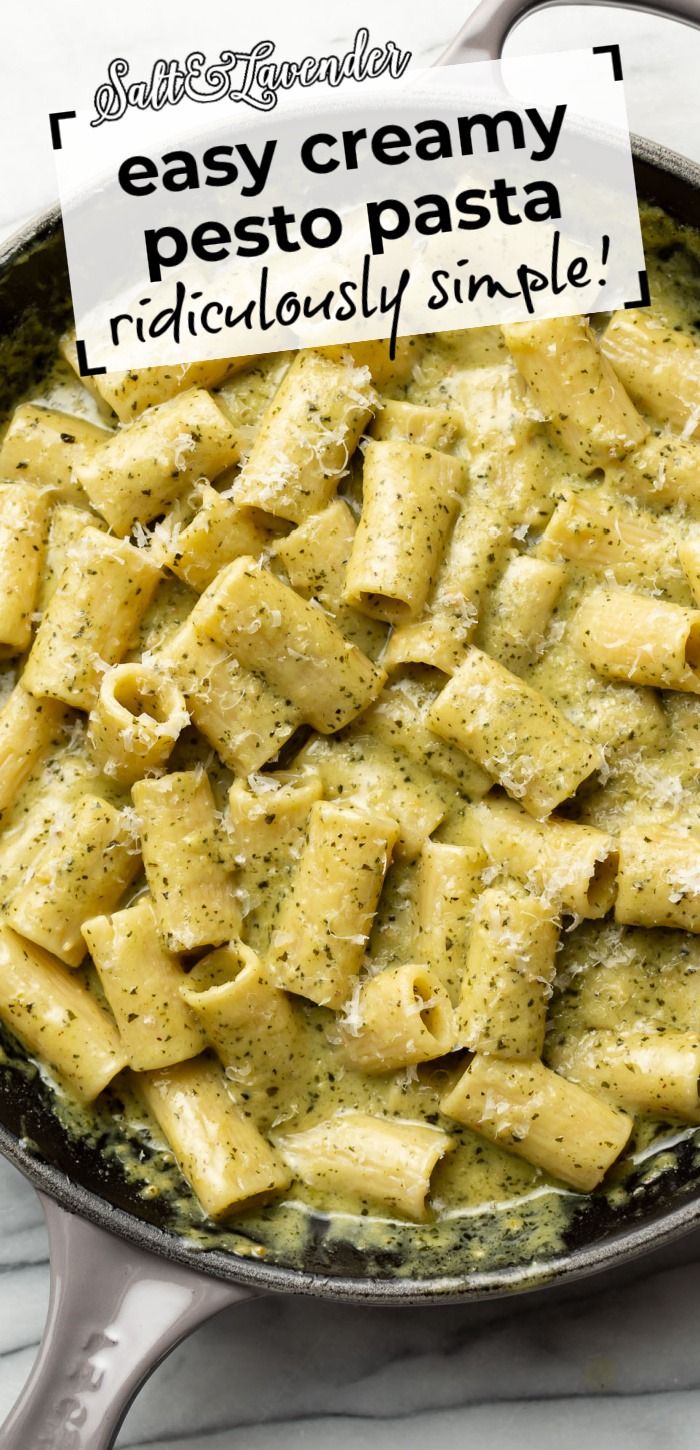
Pesto Garlic Pasta
Pesto Garlic Pasta is the creamy, garlicky 30-minute dinner that turns pantry basil pesto and toasted walnuts into a restaurant-worthy bowl.
🧂 Ingredients
- 1 lb (454g) dried spaghetti or linguine
- 1/3 cup (80ml) extra-virgin olive oil
- 6 garlic cloves, thinly sliced (about 2 tbsp)
- 1/2 tsp red pepper flakes
- 3/4 cup (180g) basil pesto, store-bought or homemade
- 1/2 cup (50g) finely grated Parmesan, plus more to serve
- 1/3 cup (40g) walnuts, roughly chopped
- 1 cup (150g) cherry tomatoes, halved
- 1 tsp kosher salt for the pasta water, plus 1/4 tsp for the sauce
- 1/2 cup (120ml) reserved pasta water
📋 Instructions
- 1Boil the pasta — Bring 4 quarts of water to a rolling boil, add 1 tsp kosher salt, and cook the spaghetti 1 minute less than the package says. It should be flexible but still firm at the center when you bite it. Scoop out 1 cup of pasta water, then drain.
- 2Toast the walnuts — While the water heats, add walnuts to a large dry skillet over medium heat, about 325F (165C), and toast 4 minutes, shaking often, until they smell nutty and turn one shade darker. Pour them onto a plate so they don't scorch.
- 3Bloom the garlic — Return the skillet to medium-low, about 300F (150C), and add the olive oil, sliced garlic, and red pepper flakes. Cook 2 to 3 minutes, stirring constantly, until the garlic is pale golden and fragrant but not brown. If it starts to darken, slide the pan off the burner immediately.
- 4Burst the tomatoes — Add the cherry tomatoes and 1/4 tsp salt to the garlic oil and cook 3 to 4 minutes, until the skins wrinkle and a few tomatoes split and release their juice. You should hear a gentle sizzle, not a violent spatter.
- 5Kill the heat — Turn off the burner and let the pan sit 30 seconds so it stops sizzling. This keeps the pesto from cooking, which is what turns it bitter and dull green.
- 6Whisk in pesto — Stir the pesto and Parmesan into the warm oil until you have a thick, glossy green sauce. Add 1/2 cup pasta water and whisk until it looks creamy and slightly lighter in color, about 30 seconds.
- 7Toss the pasta — Add the drained spaghetti to the skillet and toss with tongs for 1 to 2 minutes over low heat, 250F (120C), until the sauce clings to every strand. If it looks tight or sticky, splash in more pasta water 2 tablespoons at a time.
- 8Finish and serve — Fold in the toasted walnuts, taste, and add salt only if it needs it. Plate right away with extra Parmesan and a drizzle of olive oil, because this pasta is at its silkiest in the first 10 minutes.

Maya writes about sustainable living and urban gardening, focusing on practical tips for small spaces. She experiments with DIY projects and shares what works in her own apartment.