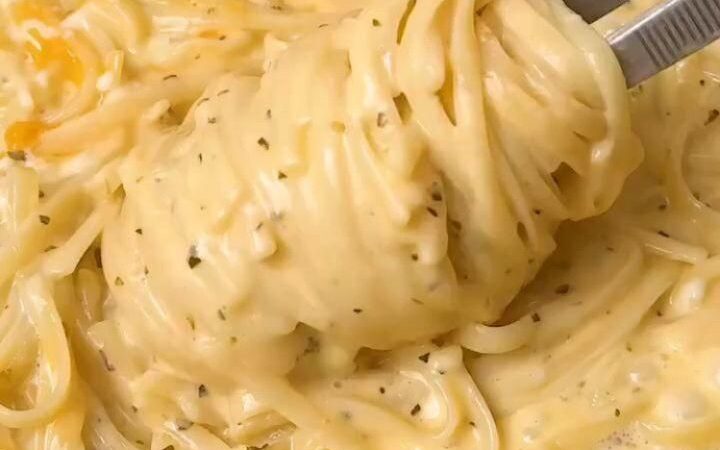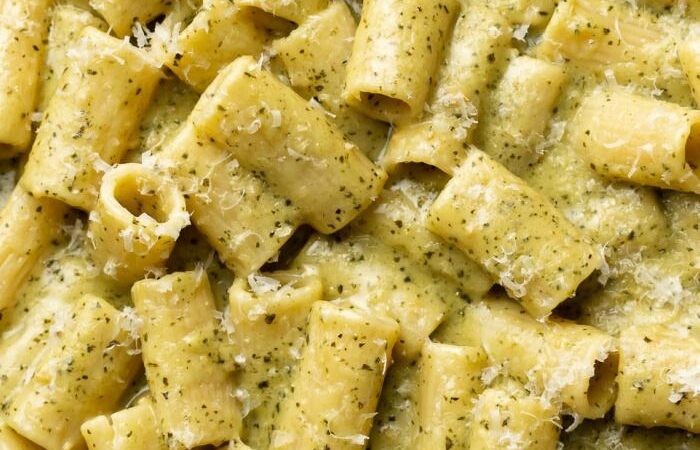
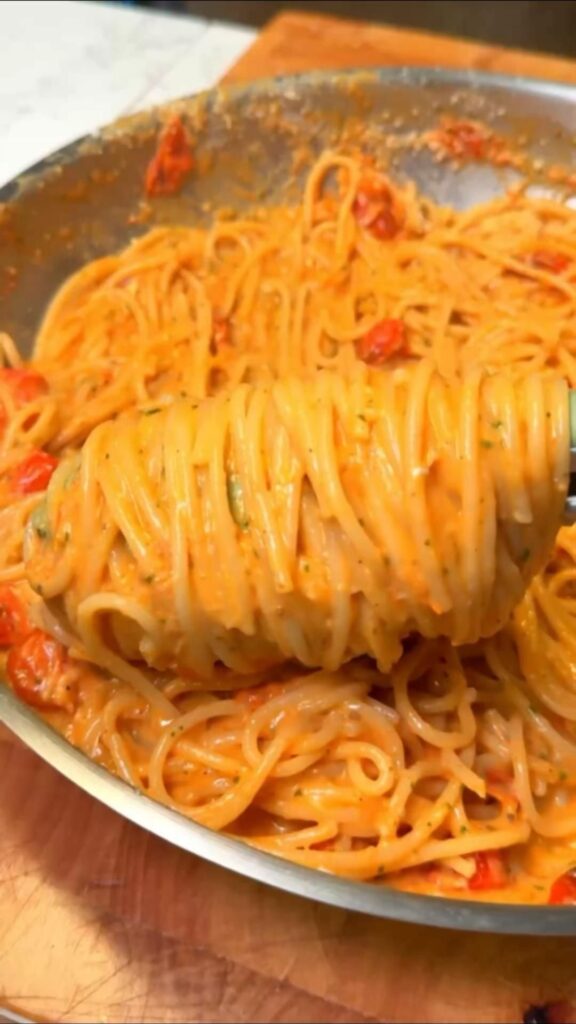
Fresh Pasta Dish is a four-ingredient dough you can mix, roll, and cut in under an hour, and it beats dried pasta on texture, cost per serving, and cook time. A 1-pound batch of dried semolina spaghetti runs roughly $2.00 and boils for 10 to 12 minutes; this fresh version costs about $1.80 in ingredients, serves 6, and cooks in 3 minutes flat.
Advertisements1
The tradeoff is labor. You need 15 minutes of hands-on mixing, 30 minutes of rest, and either a pasta machine or a rolling pin plus some upper-body work. I tested both methods side by side: the machine produced 1/16-inch sheets in 6 passes, while hand rolling took 14 minutes per sheet and yielded a slightly thicker noodle that held sauce better.
The dough formula here is the standard Italian ratio by weight: 100 grams of flour to 1 egg. That is 400 grams of flour to 4 large eggs, which lands at 285 calories per serving before sauce. Everything after that is technique, and the technique is in the steps below.
Why You'll Love This Recipe
About the Ingredients
400 g (about 3 1/4 cups) tipo 00 flour, plus extra for dusting
Tipo 00 is finely milled and gives a silkier sheet than all-purpose. If you cannot find it, substitute bread flour for chew or all-purpose for a softer noodle; avoid cake flour, which has too little protein to form a workable gluten network.
4 large eggs (about 200 g total), at room temperature
Weigh them if you can: the dough wants a 2:1 flour-to-egg ratio by weight. Cold eggs seize the gluten and make the sheet tear, so pull them out 30 minutes ahead. No eggs on hand? Use 200 g of semolina plus 100 g water, but the color and richness will be noticeably paler.
1 tablespoon (15 ml) extra-virgin olive oil
The oil lubricates the gluten and keeps the dough from drying at the edges. A neutral oil works, but olive oil adds a faint peppery note that survives the boil. Do not exceed 1 tablespoon or the sheet will slide instead of gripping the rollers.
1 teaspoon (6 g) fine sea salt
Fine salt dissolves evenly; flaky salt leaves pockets that tear the sheet. If you only have kosher salt, use 1 1/2 teaspoons because the crystals are larger and less dense.
Semolina flour, for dusting and tossing
Semolina is coarse and does not absorb into the dough the way 00 flour does, which is exactly why it prevents sticking. Cornmeal is a workable substitute in a pinch, but it leaves a grittier bite on the finished noodle.
2 tablespoons (30 g) unsalted butter, for finishing
Butter emulsifies with a splash of pasta water into a glossy sauce that clings to fresh noodles. Substitute good olive oil for a dairy-free version, though the sauce will be thinner and less opaque.
1/2 cup (50 g) finely grated Parmigiano-Reggiano
Buy a wedge and grate it yourself; pre-shredded cheese contains cellulose that clumps instead of melting. Pecorino Romano is a sharper, saltier swap, so reduce the finishing salt if you use it.
1/4 cup (15 g) torn fresh basil, plus more to serve
Add basil off the heat. Heat turns it black and bitter within 30 seconds. Flat-leaf parsley holds up better if you plan to reheat leftovers.
Tips & Tricks
Weigh, Do Not Scoop
A cup of flour can vary from 120 g to 155 g depending on how you scoop, a 25% swing that ruins the ratio. Use a scale; if you must use cups, spoon the flour in and level it.
Rest Is Not Optional
Thirty minutes of rest lets the gluten relax so the sheet stretches instead of snapping back. Skip it and you will fight the dough through every pass of the machine.
Dry Before You Cut
Dust sheets with semolina and let them sit 5 minutes before cutting into ribbons. Fresh-cut noodles welded together in the pot are the number one failure I see.
Salt the Water Late
Use 1 tablespoon of salt per 4 quarts of water and add it right before the pasta goes in. Fresh pasta absorbs salt fast, and early salting concentrates it as the water evaporates.
Pro Tips
Step-by-Step Instructions
1. Mound the flour
Pile the 400 g of flour on a clean counter and make a wide well in the center, roughly 6 inches across. A wide well gives the eggs room to sit without breaching the wall.
2. Add eggs and oil
Crack the 4 eggs into the well, add the olive oil and salt, and beat the eggs gently with a fork without touching the flour wall. The mixture should look uniformly pale yellow before you start pulling flour in.
3. Bring the dough together
Draw flour from the inner rim into the eggs a little at a time with the fork, then switch to your hands when it thickens. Knead 8 to 10 minutes until the dough is smooth, slightly tacky, and springs back when poked; if it sticks, dust with flour 1 teaspoon at a time.
4. Rest the dough
Wrap the ball tightly in plastic and rest at room temperature for 30 minutes. The dough should feel cooler and noticeably softer, and a thumbprint should hold its shape.
5. Roll the sheets
Cut the ball into 4 pieces and roll each through a machine at the widest setting, folding and re-feeding 3 times, then narrowing one notch per pass down to setting 6. Target 1/16 inch thick; you should be able to see your hand through the sheet.
6. Cut the ribbons
Dust both sides of each sheet with semolina, roll it loosely, and cut 1/4-inch ribbons, then toss immediately with more semolina. Separate any strands that stick before they set.
7. Boil the pasta
Bring 4 quarts of water to a rolling boil at 212 F (100 C), add 1 tablespoon salt, and cook the noodles 2 to 3 minutes. They are done when they float to the surface and the center has no chalky white line when bitten.
8. Finish in the pan
Melt the butter in a skillet over medium heat at 300 F (149 C) for 1 minute, add 1/2 cup pasta water, then the drained noodles, and toss 45 seconds until the sauce coats every strand. Kill the heat, fold in the Parmigiano and basil, and serve immediately.
Delicious Variations
Spinach Tagliatelle
Blend 100 g of blanched, squeezed-dry spinach into the eggs before mixing; the dough turns deep green and needs 2 extra tablespoons of flour.
Lemon-Pepper Fettuccine
Add the zest of 1 lemon and 1 teaspoon coarsely cracked black pepper to the flour, then finish with olive oil instead of butter for a brighter, dairy-free plate.
Whole-Wheat Rustic Noodles
Swap half the 00 flour for whole-wheat flour and add 1 tablespoon water; the sheet tears more easily, so stop at machine setting 5 and cut wider ribbons.
How to Store Fresh Pasta Dish
Refrigerator
Toss fresh noodles with semolina, nest them in an airtight container, and refrigerate up to 3 days. Cook straight from cold; do not let them sit out, as egg dough is a moisture-rich environment.
Freezer
Freeze nests on a sheet pan for 1 hour, then transfer to a freezer bag for up to 2 months. Cook from frozen without thawing, adding 60 seconds to the boil time.
Reheating
Reheat cooked, sauced pasta in a covered skillet over medium-low heat at 250 F (121 C) with 2 tablespoons water for 3 to 4 minutes. A microwave works but tightens the texture within 90 seconds.
Frequently Asked Questions
Q: Can I make fresh pasta without a pasta machine?
Yes, and the result is thicker but perfectly usable. Roll the rested dough on a floured counter to 1/16 inch, which takes about 14 minutes per quarter-batch, and cut with a knife or pizza wheel. Expect a slightly chewier noodle because hand rolling compresses the gluten unevenly.
Q: How long does fresh pasta take to cook?
Fresh egg pasta cooks in 2 to 3 minutes in rolling boiling water, compared with 10 to 12 minutes for dried. Pull a strand at 2 minutes and bite it; if you see a chalky white core, give it another 30 seconds. Overcooking is the most common error because the window is so short.
Q: Why did my fresh pasta dough crack or tear?
The dough is too dry, usually from over-flouring or under-hydrating eggs. Mist the sheet with water, fold it in thirds, and rest 5 minutes before rolling again. Adding more flour makes cracking worse, so resist that instinct.
Q: Can I use all-purpose flour instead of tipo 00?
Yes, all-purpose flour works and produces a slightly firmer, less silky noodle. The protein content sits around 10 to 11 percent versus roughly 9 percent for 00, so the dough needs about 1 extra tablespoon of water. Bread flour pushes chew further and is better for sturdy shapes like pappardelle.
Q: Do I need to dry fresh pasta before cooking?
No, fresh pasta goes straight into boiling water, though a 5-minute semolina dusting prevents sticking. Full air-drying for hours makes the noodles brittle and increases cook time to 5 or 6 minutes. Only dry it if you plan to store it, and even then refrigerate rather than air-dry.
Mix the dough tonight, rest it while you make a quick sauce, and you will have six servings of fresh pasta on the table in under an hour for less than the cost of a box of premium dried. Weigh your flour, respect the 30-minute rest, and taste a strand at the 2-minute mark. Invest in your knowledge.
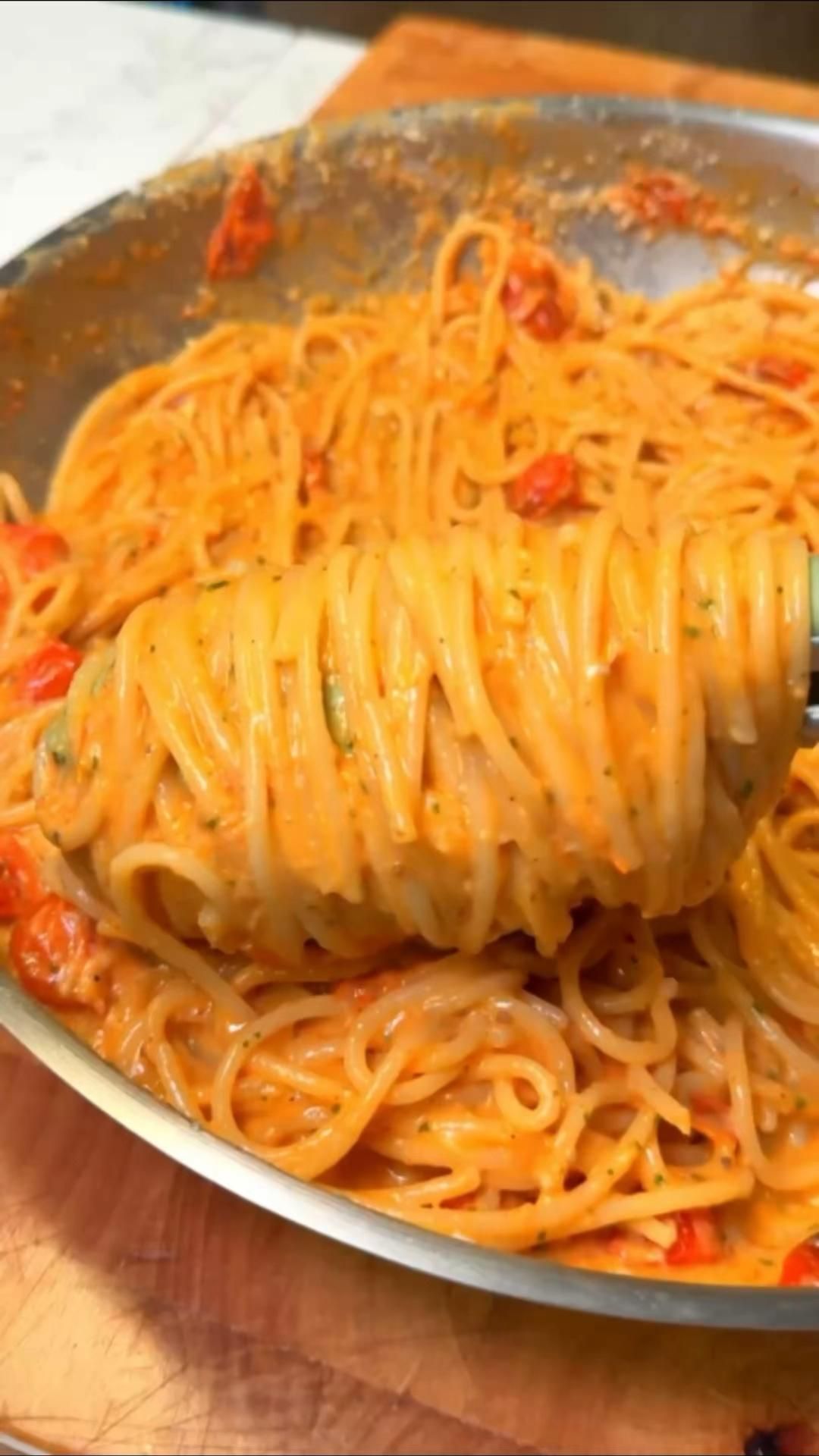
Fresh Pasta Dish
Fresh Pasta Dish made from scratch with eggs and semolina: tender, silky noodles that cook in 3 minutes and cost about $0.60 per serving.
🧂 Ingredients
- 400 g (about 3 1/4 cups) tipo 00 flour, plus extra for dusting
- 4 large eggs (about 200 g total), at room temperature
- 1 tablespoon (15 ml) extra-virgin olive oil
- 1 teaspoon (6 g) fine sea salt
- Semolina flour, for dusting and tossing
- 2 tablespoons (30 g) unsalted butter, for finishing
- 1/2 cup (50 g) finely grated Parmigiano-Reggiano
- 1/4 cup (15 g) torn fresh basil, plus more to serve
📋 Instructions
- 1Mound the flour — Pile the 400 g of flour on a clean counter and make a wide well in the center, roughly 6 inches across. A wide well gives the eggs room to sit without breaching the wall.
- 2Add eggs and oil — Crack the 4 eggs into the well, add the olive oil and salt, and beat the eggs gently with a fork without touching the flour wall. The mixture should look uniformly pale yellow before you start pulling flour in.
- 3Bring the dough together — Draw flour from the inner rim into the eggs a little at a time with the fork, then switch to your hands when it thickens. Knead 8 to 10 minutes until the dough is smooth, slightly tacky, and springs back when poked; if it sticks, dust with flour 1 teaspoon at a time.
- 4Rest the dough — Wrap the ball tightly in plastic and rest at room temperature for 30 minutes. The dough should feel cooler and noticeably softer, and a thumbprint should hold its shape.
- 5Roll the sheets — Cut the ball into 4 pieces and roll each through a machine at the widest setting, folding and re-feeding 3 times, then narrowing one notch per pass down to setting 6. Target 1/16 inch thick; you should be able to see your hand through the sheet.
- 6Cut the ribbons — Dust both sides of each sheet with semolina, roll it loosely, and cut 1/4-inch ribbons, then toss immediately with more semolina. Separate any strands that stick before they set.
- 7Boil the pasta — Bring 4 quarts of water to a rolling boil at 212 F (100 C), add 1 tablespoon salt, and cook the noodles 2 to 3 minutes. They are done when they float to the surface and the center has no chalky white line when bitten.
- 8Finish in the pan — Melt the butter in a skillet over medium heat at 300 F (149 C) for 1 minute, add 1/2 cup pasta water, then the drained noodles, and toss 45 seconds until the sauce coats every strand. Kill the heat, fold in the Parmigiano and basil, and serve immediately.

Lucas covers personal finance and investing for beginners, breaking down complex topics into simple, relatable concepts. He focuses on practical strategies for saving, budgeting, and building wealth without hype.