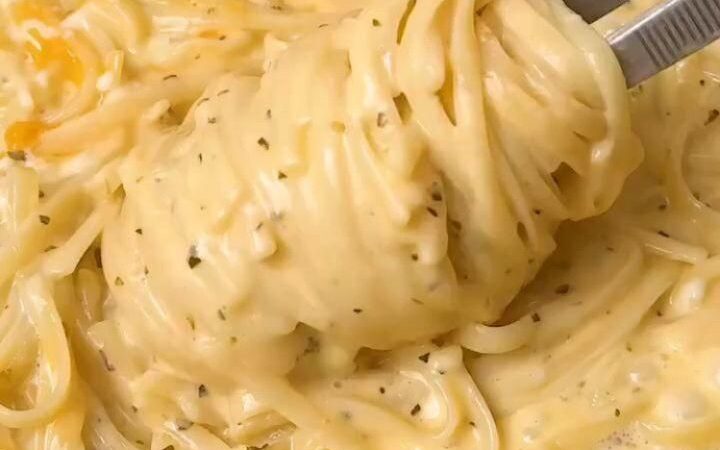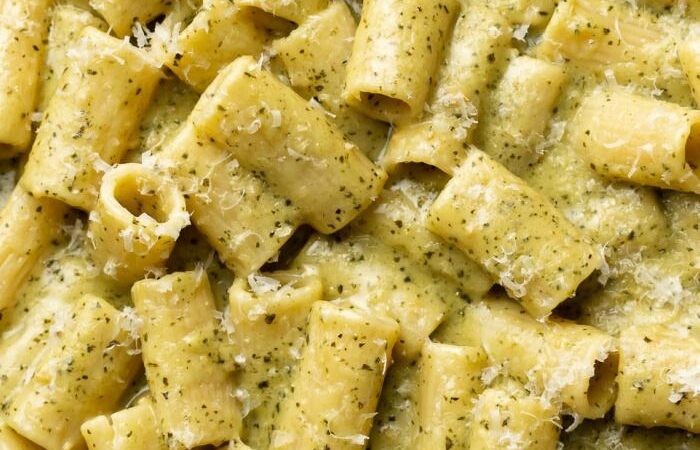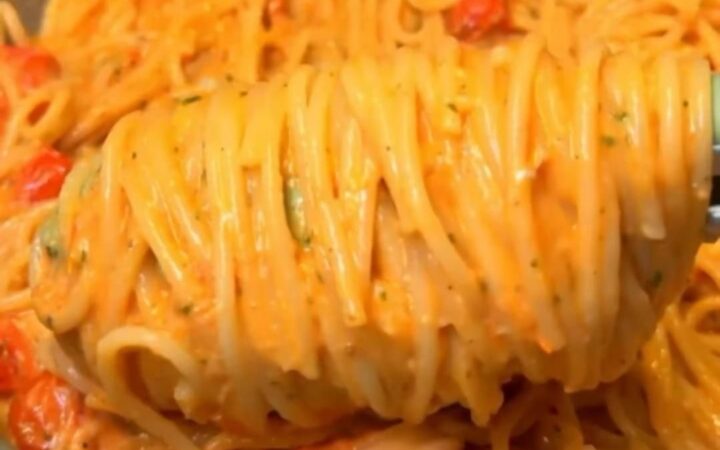
This isn't just another pasta recipe; it's a foundational technique that turns simple ingredients into a deeply satisfying meal. I'll show you how to build a rich, robust tomato sauce from scratch, perfectly coat every strand of pasta, and achieve that restaurant-quality balance of flavors.
Advertisements1
We'll break down the entire process, from selecting the right pasta shape to simmering the sauce to the perfect consistency. You'll learn the science behind why certain steps matter—like salting the water and finishing the pasta in the sauce—so you can replicate this dish with confidence.
Whether you're a beginner or a seasoned cook, this guide will equip you with the skills to make a pasta dish that's better than takeout. Let's get started.
Why You'll Love This Recipe
About the Ingredients
1 pound (450g) spaghetti or other long pasta
Use high-quality durum wheat pasta. Spaghetti is classic, but bucatini or linguine also work well. For a gluten-free option, try chickpea or rice pasta.
2 tablespoons (30ml) olive oil
Extra-virgin olive oil adds richer flavor. For a lighter taste, use regular olive oil or avocado oil.
1 medium yellow onion, finely chopped (about 1 cup)
Yellow or sweet onions provide a mild base. If you prefer a stronger flavor, use a white onion. Shallots also work as a substitute.
4 cloves garlic, minced
Fresh garlic is key. Pre-minced garlic from a jar can be used in a pinch, but fresh has more punch.
1 can (28 ounces / 800g) crushed tomatoes
Look for San Marzano tomatoes for sweetness. If you only have whole peeled tomatoes, crush them by hand before adding.
1 teaspoon (5g) dried oregano
Dried oregano adds earthiness. Substitute with Italian seasoning or 1 tablespoon fresh oregano.
1/2 teaspoon (3g) red pepper flakes (optional)
For a subtle heat. Omit for a milder sauce or add more for extra spice. Use a pinch of cayenne as a substitute.
1 teaspoon (6g) salt, plus more for pasta water
Use kosher salt for better control. Table salt is more concentrated, so adjust accordingly.
1/2 teaspoon (1g) black pepper
Freshly ground black pepper is best. Pre-ground works, but use a little less.
1/4 cup (10g) fresh basil leaves, torn
Fresh basil brightens the dish. If you don't have it, add 1 teaspoon dried basil in the sauce and skip the garnish.
1/4 cup (25g) grated Parmesan cheese, plus more for serving
Parmigiano-Reggiano is ideal. Pecorino Romano is a saltier alternative. For a vegan option, use nutritional yeast.
Tips & Tricks
- Don't rinse the pasta after draining—the starch helps the sauce cling to the noodles.
- Reserve a cup of pasta water before draining. It's essential for loosening the sauce to the perfect consistency.
- Cook the sauce uncovered to help it thicken. If it becomes too thick, add a splash of pasta water.
Pro Tips
Step-by-Step Instructions
1. Boil the Pasta
Bring a large pot of water to a rolling boil over high heat (212°F / 100°C). Add 2 tablespoons salt, then the pasta. Cook according to package instructions until al dente, typically 8-10 minutes. Stir occasionally to prevent sticking.
2. Sauté Aromatics
While the pasta cooks, heat olive oil in a large skillet over medium heat (350°F / 175°C). Add the onion and cook until translucent, about 5 minutes. Add garlic and cook until fragrant, about 30 seconds, stirring constantly to avoid burning.
3. Simmer the Sauce
Pour in the crushed tomatoes, oregano, red pepper flakes (if using), salt, and black pepper. Bring to a simmer over medium-high heat, then reduce to low and let it bubble gently for 15 minutes, stirring occasionally, until the sauce thickens slightly and the flavors meld.
4. Reserve Pasta Water
Before draining the pasta, scoop out 1 cup of the starchy cooking water and set it aside. This is crucial for adjusting the sauce's consistency later.
5. Drain the Pasta
Drain the pasta in a colander, but do not rinse. Shake off excess water. The residual starch will help the sauce adhere to the noodles.
6. Combine Pasta and Sauce
Add the drained pasta to the skillet with the sauce. Turn the heat to medium (325°F / 163°C) and toss the pasta with the sauce using tongs. Pour in a splash of the reserved pasta water to loosen the sauce so it coats the noodles evenly. Continue tossing for 1-2 minutes until the pasta is well-coated and the sauce has reduced slightly to cling to the noodles.
7. Finish and Serve
Remove the skillet from the heat. Stir in the fresh basil and grated Parmesan cheese. Toss once more to combine. Taste and adjust seasoning with salt and pepper if needed. Serve immediately with extra Parmesan on top.
Delicious Variations
Protein Add-In
Brown 1/2 pound ground beef or Italian sausage with the onion, then proceed with the recipe. This makes a heartier, meaty sauce.
Vegetable Boost
Add 1 medium zucchini, diced, or 1 cup sliced mushrooms to the onions and sauté until tender, about 5 minutes longer.
Creamy Version
After simmering the sauce, stir in 1/4 cup heavy cream or 1/2 cup ricotta for a creamy pink sauce.
How to Store How To Make Pasta With Sauce
Refrigerator
Store leftover pasta and sauce in an airtight container in the fridge for up to 4 days. The pasta will absorb some sauce, so add a splash of water or extra sauce when reheating.
Freezer
You can freeze the sauce (without pasta) in a freezer-safe container for up to 3 months. To freeze the full dish, undercook the pasta slightly and toss with a little oil to prevent sticking. Thaw overnight in the fridge before reheating.
Reheating
Reheat in a skillet over medium heat (350°F / 175°C) with a splash of water or olive oil, stirring until heated through, about 5 minutes. Alternatively, microwave in 30-second bursts, stirring in between.
Frequently Asked Questions
Q: What is the best pasta shape for tomato sauce?
Long shapes like spaghetti, linguine, or fettuccine are classic because the sauce clings well to their surface. Short shapes like penne or rigatoni also work great because they catch chunky sauce in their ridges.
Q: How do I make the sauce less acidic?
To reduce acidity, add a pinch of baking soda while the sauce simmers, or stir in a teaspoon of sugar or a splash of cream at the end. You can also use crushed San Marzano tomatoes, which are naturally sweeter and less acidic.
Q: Can I use fresh tomatoes instead of canned?
Yes, substitute about 2 pounds of ripe tomatoes, peeled and chopped, for the canned. Simmer the sauce for 20-30 minutes to allow the fresh tomatoes to break down and thicken, as they have more water content.
Q: How do I prevent the pasta from sticking together?
Use plenty of water (at least 4 quarts per pound), stir the pasta immediately after adding it to the pot, and don't overcook it. After draining, toss with a little olive oil if not saucing immediately.
Q: What can I use instead of Parmesan cheese?
Pecorino Romano is a great substitute with a saltier, sharper flavor. For a dairy-free option, use nutritional yeast or a vegan Parmesan alternative. If you're out of cheese, a squeeze of lemon juice at the end adds brightness.
Now that you've mastered the basics, try this recipe tonight and experiment with your favorite add-ins. Share your creation in the comments below and let me know how it turned out!
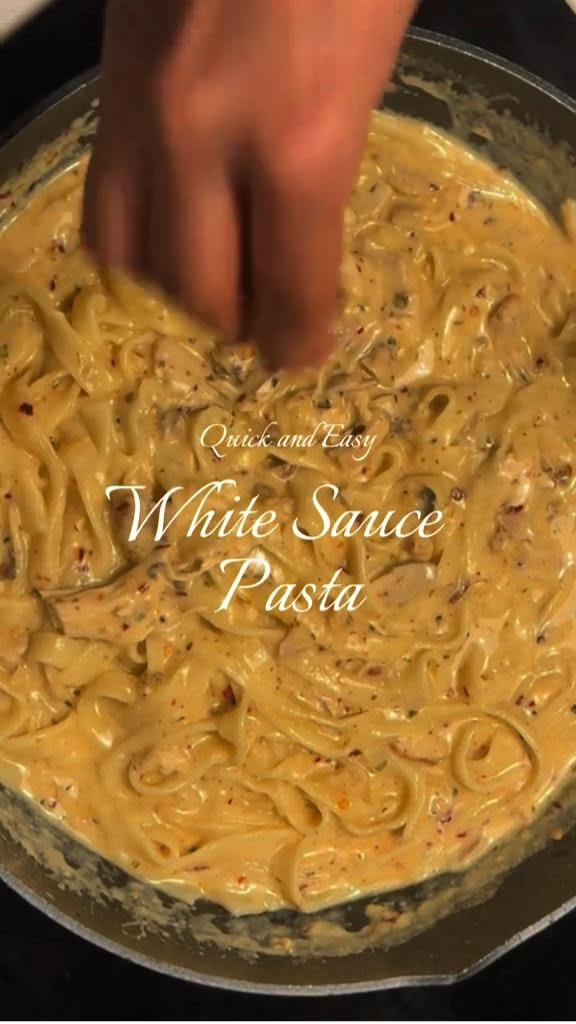
How To Make Pasta With Sauce
Learn how to make pasta with sauce from scratch—a quick, hearty, and versatile meal perfect for busy weeknights.
🧂 Ingredients
- 1 pound (450g) spaghetti or other long pasta
- 2 tablespoons (30ml) olive oil
- 1 medium yellow onion, finely chopped (about 1 cup)
- 4 cloves garlic, minced
- 1 can (28 ounces / 800g) crushed tomatoes
- 1 teaspoon (5g) dried oregano
- 1/2 teaspoon (3g) red pepper flakes (optional)
- 1 teaspoon (6g) salt, plus more for pasta water
- 1/2 teaspoon (1g) black pepper
- 1/4 cup (10g) fresh basil leaves, torn
- 1/4 cup (25g) grated Parmesan cheese, plus more for serving
📋 Instructions
- 1Boil the Pasta — Bring a large pot of water to a rolling boil over high heat (212°F / 100°C). Add 2 tablespoons salt, then the pasta. Cook according to package instructions until al dente, typically 8-10 minutes. Stir occasionally to prevent sticking.
- 2Sauté Aromatics — While the pasta cooks, heat olive oil in a large skillet over medium heat (350°F / 175°C). Add the onion and cook until translucent, about 5 minutes. Add garlic and cook until fragrant, about 30 seconds, stirring constantly to avoid burning.
- 3Simmer the Sauce — Pour in the crushed tomatoes, oregano, red pepper flakes (if using), salt, and black pepper. Bring to a simmer over medium-high heat, then reduce to low and let it bubble gently for 15 minutes, stirring occasionally, until the sauce thickens slightly and the flavors meld.
- 4Reserve Pasta Water — Before draining the pasta, scoop out 1 cup of the starchy cooking water and set it aside. This is crucial for adjusting the sauce's consistency later.
- 5Drain the Pasta — Drain the pasta in a colander, but do not rinse. Shake off excess water. The residual starch will help the sauce adhere to the noodles.
- 6Combine Pasta and Sauce — Add the drained pasta to the skillet with the sauce. Turn the heat to medium (325°F / 163°C) and toss the pasta with the sauce using tongs. Pour in a splash of the reserved pasta water to loosen the sauce so it coats the noodles evenly. Continue tossing for 1-2 minutes until the pasta is well-coated and the sauce has reduced slightly to cling to the noodles.
- 7Finish and Serve — Remove the skillet from the heat. Stir in the fresh basil and grated Parmesan cheese. Toss once more to combine. Taste and adjust seasoning with salt and pepper if needed. Serve immediately with extra Parmesan on top.

Liam covers personal finance for young professionals, with a no-nonsense approach to budgeting and investing. He shares strategies he's tested while paying off his own student loans.