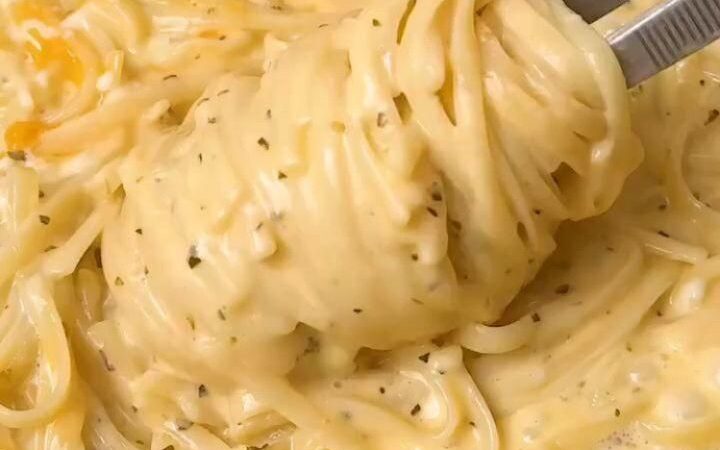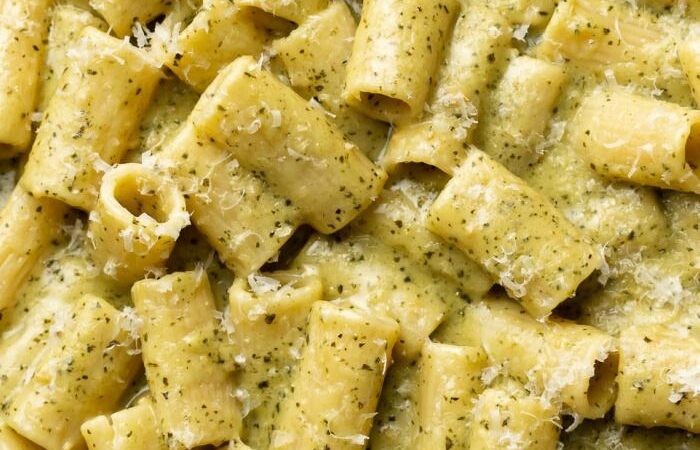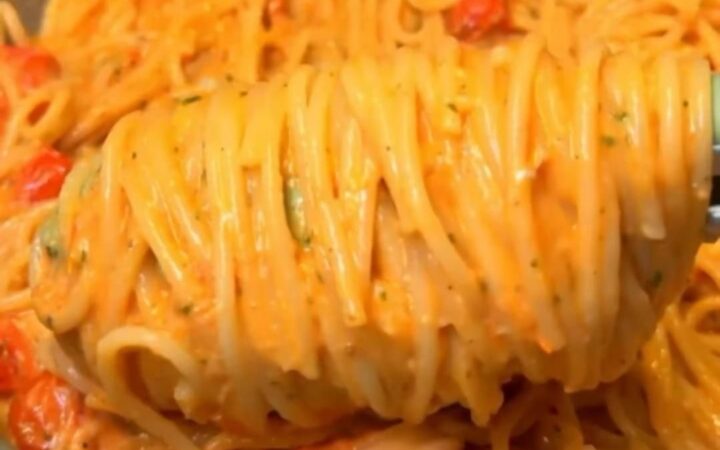
Cheese Dinner is not a vague concept; it's a precise, engineered dish that delivers maximum flavor with minimal fuss. This recipe combines pasta, a trio of melting cheeses, and a quick homemade sauce in a single skillet, cutting down on dishes and cooking time.
Advertisements1
The method is straightforward: cook pasta, build a roux-based cheese sauce, then fold in vegetables and the pasta. The result is a cohesive, satisfying main course that works for busy weeknights or a casual dinner party. You control the cheese blend and the heat level, making it adaptable to your pantry.
I've tested this with different pasta shapes and cheese combinations; the ratios below provide a creamy sauce that clings to the pasta without becoming gluey. The key is using freshly shredded cheese and not overcooking the sauce.
If you're looking for a meal that's both comforting and practical, this Cheese Dinner delivers. It's a complete meal in one pan, ready in about 30 minutes, and it's a reliable way to get a hearty dinner on the table.
Why You'll Love This Recipe
About the Ingredients
8 oz (225g) elbow macaroni or short pasta
Elbows are classic, but any short shape like shells or cavatappi works. Buy a good brand; the pasta texture is key.
2 tablespoons (28g) unsalted butter
Use unsalted to control sodium. If using salted butter, reduce added salt in the sauce.
2 tablespoons (16g) all-purpose flour
This forms the roux base. You can substitute with gluten-free flour blend, but the sauce may need extra whisking.
2 cups (480ml) whole milk
Whole milk gives the creamiest result. For a lighter option, use 2% but expect slightly thinner sauce.
1 cup (120g) shredded sharp cheddar cheese
Sharp cheddar provides strong flavor. Buy a block and shred at home; pre-shredded contains anti-caking agents that affect melting.
1 cup (100g) shredded Gruyère cheese
Gruyère adds nuttiness and excellent melting. Substitute with Swiss or Emmental if needed.
1/2 cup (50g) grated Parmesan cheese
Parmesan adds salty, savory depth. Use fresh grated for best flavor.
1 cup (150g) frozen peas and carrots, thawed
A convenient way to add vegetables. You can substitute with fresh or other veggies like broccoli or spinach.
1/2 teaspoon garlic powder
Adds savory note without raw garlic bite. Substitute with 1 clove minced garlic cooked in butter.
1/2 teaspoon ground mustard
Enhances cheese flavor. If you don't have it, omit or use a pinch of turmeric for color.
1/4 teaspoon salt
Adjust to taste. Remember cheese is salty, so start with less.
1/4 teaspoon black pepper
Freshly ground is best. Adjust to taste.
Tips & Tricks
Grate your own cheese
Pre-shredded cheese has cellulose and anti-caking agents that prevent smooth melting, leading to a grainy sauce. Grate from a block for a silky texture.
Cook pasta al dente
Since the pasta will finish cooking in the sauce, undercook by 1-2 minutes per package directions. This prevents mushy results.
Don't overheat the sauce
Once you add the cheese, keep the heat low. High heat can cause the sauce to break or become stringy. Stir gently until just melted.
- If the sauce is too thick, thin with a splash of pasta water or milk. If too thin, simmer for a minute longer to reduce.
Pro Tips
Step-by-Step Instructions
1. Cook the Pasta
Bring a large pot of salted water to a boil (212°F/100°C). Cook the pasta for 2 minutes less than the package instructions for al dente. Reserve 1 cup of pasta water, then drain.
2. Melt Butter and Bloom Flour
In a large skillet over medium heat (350°F/175°C), melt the butter. Add the flour and whisk continuously for 1-2 minutes until the mixture is bubbly and golden. This cooks out the raw flour taste.
3. Whisk in Milk
Slowly pour in the milk while whisking constantly to prevent lumps. Bring to a gentle simmer over medium-high heat (375°F/190°C), then reduce heat to low. Stir until the sauce thickens enough to coat the back of a spoon, about 3-4 minutes.
4. Add Seasonings
Stir in garlic powder, ground mustard, salt, and pepper. Taste and adjust seasoning, keeping in mind the cheese will add salt.
5. Incorporate Cheeses
Remove the skillet from the heat. Add the shredded cheddar, Gruyère, and Parmesan. Stir gently until the cheese is completely melted and the sauce is smooth. If it clumps, return to low heat briefly while stirring.
6. Combine with Pasta and Vegetables
Add the drained pasta and the thawed peas and carrots to the skillet. Gently fold everything together until the pasta is evenly coated. If the sauce is too thick, add reserved pasta water, 1 tablespoon at a time, until desired consistency.
7. Serve Immediately
Serve hot, garnished with extra Parmesan or chopped parsley if desired. The dish will thicken as it cools, so serve right away.
Delicious Variations
Add Protein
Stir in 1 cup (150g) of diced cooked ham, shredded rotisserie chicken, or crispy bacon bits along with the pasta for a heartier meal.
Spicy Kick
Use pepper jack cheese instead of Gruyère, and add 1/4 teaspoon of cayenne pepper or a pinch of red pepper flakes to the sauce.
Vegetable Swap
Replace peas and carrots with 1 cup of steamed broccoli florets or sautéed mushrooms and spinach for a different flavor profile.
How to Store Cheese Dinner
Refrigerator
Store leftovers in an airtight container in the fridge for up to 3 days.
Freezer
Freeze in a freezer-safe container for up to 2 months. Thaw overnight in the fridge before reheating.
Reheating
Reheat in a saucepan over low heat, adding a splash of milk to restore creaminess. Alternatively, microwave in 30-second intervals, stirring between each.
Frequently Asked Questions
Q: Can I make this cheese dinner gluten-free?
Yes, use gluten-free pasta and a gluten-free all-purpose flour blend for the roux. The sauce may need a bit more whisking to become smooth.
Q: What is the best cheese for a cheese dinner?
Sharp cheddar is the classic choice for its flavor and melting. Combine it with a good melting cheese like Gruyère or Monterey Jack for the best texture.
Q: How do I prevent the cheese sauce from becoming grainy?
Grate your own cheese and add it off the heat. Overheating or using pre-shredded cheese with anti-caking agents can cause graininess.
Q: Can I use any type of pasta?
Yes, any short pasta shape works. Elbows, shells, rotini, or cavatappi are great choices because they hold the sauce well.
Q: How do I make this more kid-friendly?
You can puree the vegetables or use mild cheddar and add a dash of paprika. Kids often prefer a milder cheese flavor.
Try this Cheese Dinner tonight and see how a few simple ingredients can come together into a satisfying meal. If you've made it, share your tweaks in the comments below. Invest in your knowledge.
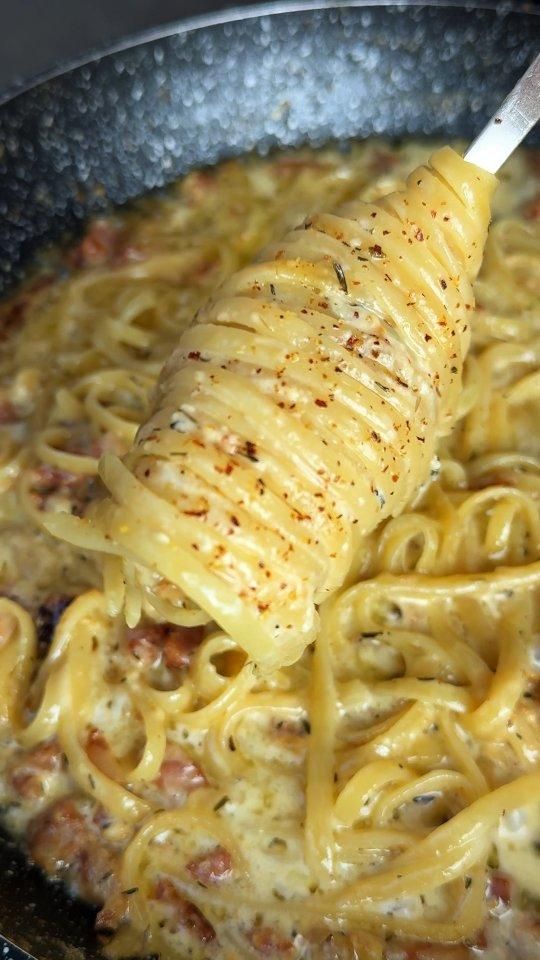
Cheese Dinner
Cheese Dinner is a creamy, one-pan skillet meal with pasta, vegetables, and three cheeses, ready in 30 minutes.
🧂 Ingredients
- 8 oz (225g) elbow macaroni or short pasta
- 2 tablespoons (28g) unsalted butter
- 2 tablespoons (16g) all-purpose flour
- 2 cups (480ml) whole milk
- 1 cup (120g) shredded sharp cheddar cheese
- 1 cup (100g) shredded Gruyère cheese
- 1/2 cup (50g) grated Parmesan cheese
- 1 cup (150g) frozen peas and carrots, thawed
- 1/2 teaspoon garlic powder
- 1/2 teaspoon ground mustard
- 1/4 teaspoon salt
- 1/4 teaspoon black pepper
📋 Instructions
- 1Cook the Pasta — Bring a large pot of salted water to a boil (212°F/100°C). Cook the pasta for 2 minutes less than the package instructions for al dente. Reserve 1 cup of pasta water, then drain.
- 2Melt Butter and Bloom Flour — In a large skillet over medium heat (350°F/175°C), melt the butter. Add the flour and whisk continuously for 1-2 minutes until the mixture is bubbly and golden. This cooks out the raw flour taste.
- 3Whisk in Milk — Slowly pour in the milk while whisking constantly to prevent lumps. Bring to a gentle simmer over medium-high heat (375°F/190°C), then reduce heat to low. Stir until the sauce thickens enough to coat the back of a spoon, about 3-4 minutes.
- 4Add Seasonings — Stir in garlic powder, ground mustard, salt, and pepper. Taste and adjust seasoning, keeping in mind the cheese will add salt.
- 5Incorporate Cheeses — Remove the skillet from the heat. Add the shredded cheddar, Gruyère, and Parmesan. Stir gently until the cheese is completely melted and the sauce is smooth. If it clumps, return to low heat briefly while stirring.
- 6Combine with Pasta and Vegetables — Add the drained pasta and the thawed peas and carrots to the skillet. Gently fold everything together until the pasta is evenly coated. If the sauce is too thick, add reserved pasta water, 1 tablespoon at a time, until desired consistency.
- 7Serve Immediately — Serve hot, garnished with extra Parmesan or chopped parsley if desired. The dish will thicken as it cools, so serve right away.

Lucas covers personal finance and investing for beginners, breaking down complex topics into simple, relatable concepts. He focuses on practical strategies for saving, budgeting, and building wealth without hype.