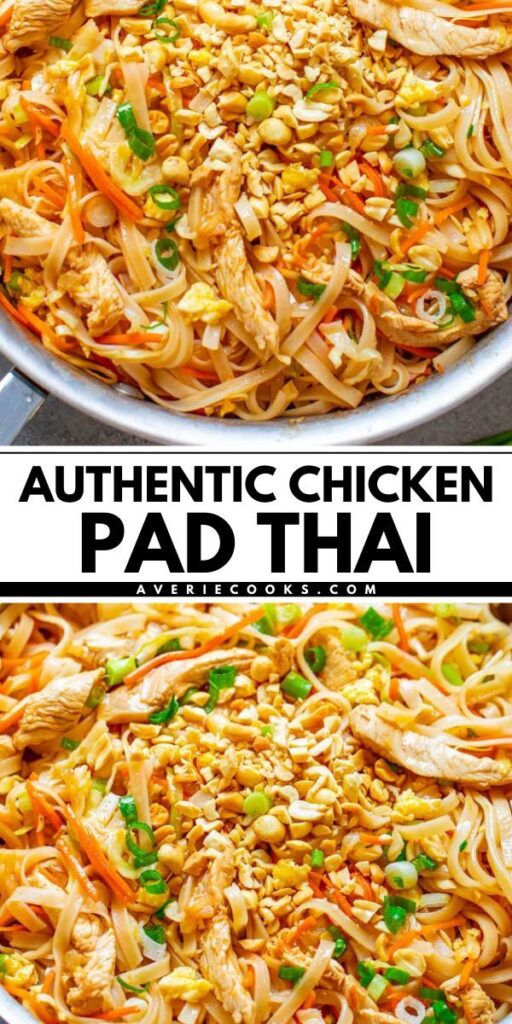
Pad Thai is Thailand's most famous street food, and for good reason – it's a perfect balance of sweet, sour, salty, and savory. But many home cooks are intimidated by the long ingredient list or worry it won't taste authentic. I'm here to show you that with a few key techniques and the right sauce, you can create a real Pad Thai that rivals your favorite takeout.
Advertisements1
This recipe breaks down every step, from soaking the noodles to achieving that perfect smoky wok flavor (without a wok!). You'll learn how to balance the tamarind, fish sauce, and palm sugar, and how to get those beautiful scrambled eggs folded into the noodles. Plus, I'll share my favorite tips for customizing it with chicken, shrimp, or tofu.
Whether you're a Pad Thai newbie or a seasoned cook, this recipe is designed to be approachable and foolproof. Let's fire up the wok and get cooking!
Why You'll Love This Recipe
About the Ingredients
8 oz (225g) flat rice noodles (pad thai noodles)
Use wide, flat rice noodles; soak in warm water for 30 minutes, not boiling, to keep them chewy. Substitute with vermicelli if needed.
3 tbsp tamarind paste
Look for paste in a jar; if using a block, soak in warm water and strain. Substitute with 2 tbsp lime juice + 1 tbsp brown sugar.
3 tbsp fish sauce
Use good quality fish sauce; it's salty and pungent. For a vegan version, use soy sauce or tamari.
1.5 tbsp palm sugar (or brown sugar)
Palm sugar adds a molasses-like sweetness; if unavailable, use packed brown sugar.
1 tbsp tamarind water (optional, from soaking)
If your tamarind paste is thick, thin with a little water. Skip if not needed.
2 eggs
Fresh eggs are best; use large eggs. For a vegan option, use 1/2 cup firm tofu, crumbled.
1/2 lb (225g) boneless chicken thighs, thinly sliced
Chicken thighs are juicier; you can substitute with shrimp or tofu. If using shrimp, peel and devein.
1/2 lb (225g) medium shrimp, peeled and deveined
Use fresh or frozen (thawed) shrimp. If you prefer only chicken, double the chicken and skip shrimp.
2 cloves garlic, minced
Fresh garlic is essential; use a press or finely chop.
1 shallot, thinly sliced
Shallots are milder than onions; substitute with 1/4 cup red onion.
2 cups bean sprouts
Fresh bean sprouts add crunch; if unavailable, use shredded cabbage.
3 green onions, sliced into 1-inch pieces
Also called scallions; use both white and green parts.
1/2 cup roasted peanuts, crushed
Unsalted roasted peanuts are best; crush coarsely for texture. Substitute with cashews if needed.
1 lime, cut into wedges
For serving; fresh lime brightens the dish.
2 tbsp vegetable oil
Use a high-smoke point oil like canola or peanut oil.
1/2 cup firm tofu, cut into small cubes (optional but traditional)
Adds texture; if you don't like tofu, you can omit or use extra chicken.
Tips & Tricks
- Soak noodles in warm water (not hot) for 30 minutes, then drain. They should be pliable but still firm; they'll finish cooking in the wok.
- Have all ingredients prepped and ready before you start cooking – the stir-fry goes quickly.
- Use high heat and work fast to get that smoky 'wok hei' flavor. If your pan isn't very hot, the noodles will steam instead of fry.
Pro Tips
Step-by-Step Instructions
1. Soak the noodles
Place the rice noodles in a large bowl and cover with warm water (about 100°F/38°C). Let soak for 30 minutes, until pliable but still firm. Drain and set aside.
2. Make the sauce
In a small bowl, whisk together tamarind paste, fish sauce, palm sugar, and 2 tablespoons of water. Stir until the sugar dissolves. Taste and adjust – it should be sour, salty, and sweet. Set aside.
3. Prep the protein
If using chicken, slice thinly. If using shrimp, pat dry. Have all your ingredients within reach – this cooks fast.
4. Cook the eggs
Heat a wok or large skillet over high heat until a drop of water sizzles immediately. Add 1 tablespoon oil, then pour in the beaten eggs. Scramble quickly for about 30 seconds, until just set but still soft. Remove to a plate.
5. Stir-fry the aromatics
Add the remaining 1 tablespoon oil to the hot wok. Add garlic and shallot, stir-fry for 15 seconds until fragrant (but not burnt). Add the chicken and shrimp, if using, and stir-fry for 2-3 minutes until the chicken is golden and cooked through (internal temperature 165°F/74°C).
6. Add noodles and sauce
Add the soaked noodles and the sauce. Toss and stir-fry for 2-3 minutes, using a spatula to lift and separate the noodles. The noodles should absorb the sauce and become glossy.
7. Combine everything
Return the eggs to the pan. Add the bean sprouts, green onions, and half of the crushed peanuts. Toss for another 1-2 minutes until the sprouts are slightly wilted but still crunchy.
8. Serve immediately
Transfer to plates. Top with remaining peanuts, and serve with lime wedges on the side. Encourage everyone to squeeze lime over their portion before eating.
Delicious Variations
Chicken Pad Thai
Omit shrimp and use 1 lb (450g) chicken thighs, sliced.
Vegetarian Pad Thai
Use soy sauce instead of fish sauce, add extra tofu and vegetables like carrots and bell peppers.
Spicy Pad Thai
Add 1-2 teaspoons Thai chili flakes or a chopped bird's eye chili to the sauce for heat.
How to Store Real Pad Thai Recipe
Refrigerator
Store leftovers in an airtight container for up to 3 days. The noodles will absorb sauce and become softer; that's okay.
Freezer
Not recommended, as noodles become mushy when thawed.
Reheating
Reheat in a hot wok or skillet with a splash of water to loosen the noodles, or microwave in 30-second intervals.
Frequently Asked Questions
Q: What is the best noodle for Pad Thai?
The best noodle is a flat, wide rice noodle labeled 'pad thai' or 'rice stick'. They should be soaked, not boiled, to achieve a chewy texture.
Q: Can I use tamarind concentrate instead of paste?
Yes, you can use tamarind concentrate. Use about 1.5 tablespoons, and adjust the amount of water in the sauce to achieve a similar consistency.
Q: Why is my Pad Thai too dry or mushy?
Too dry often means the noodles were over-soaked or the heat was too low. Mushy usually happens when they are over-soaked or boiled. Soak for exactly 30 minutes in warm water, not hot, and cook on high heat.
Q: Can I make Pad Thai without fish sauce?
Yes, for a vegan or vegetarian version, substitute soy sauce or tamari for fish sauce. Add a little extra salt or umami like mushroom powder to compensate.
I hope you enjoy making this real Pad Thai at home! If you try it, let me know in the comments below – I'd love to hear how it turned out. Happy cooking!
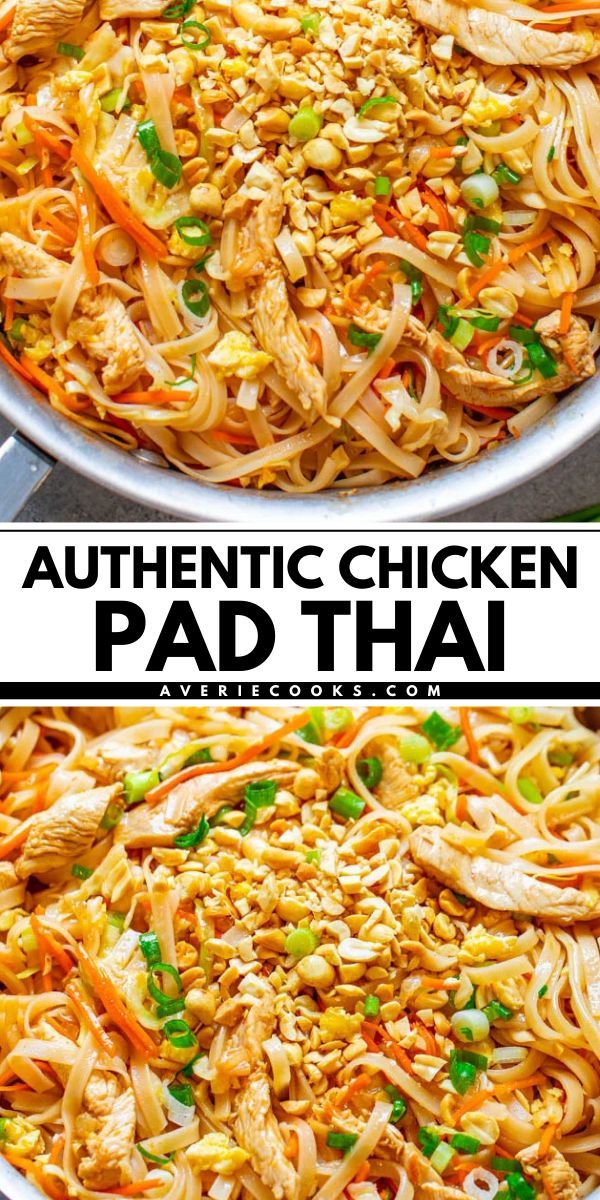
Real Pad Thai Recipe
Real Pad Thai Recipe with authentic flavors, chewy noodles, and crunchy peanuts. Make this easy 30-minute stir-fry at home tonight!
🧂 Ingredients
- 8 oz (225g) flat rice noodles (pad thai noodles)
- 3 tbsp tamarind paste
- 3 tbsp fish sauce
- 1.5 tbsp palm sugar (or brown sugar)
- 1 tbsp tamarind water (optional, from soaking)
- 2 eggs
- 1/2 lb (225g) boneless chicken thighs, thinly sliced
- 1/2 lb (225g) medium shrimp, peeled and deveined
- 2 cloves garlic, minced
- 1 shallot, thinly sliced
- 2 cups bean sprouts
- 3 green onions, sliced into 1-inch pieces
- 1/2 cup roasted peanuts, crushed
- 1 lime, cut into wedges
- 2 tbsp vegetable oil
- 1/2 cup firm tofu, cut into small cubes (optional but traditional)
📋 Instructions
- 1Soak the noodles — Place the rice noodles in a large bowl and cover with warm water (about 100°F/38°C). Let soak for 30 minutes, until pliable but still firm. Drain and set aside.
- 2Make the sauce — In a small bowl, whisk together tamarind paste, fish sauce, palm sugar, and 2 tablespoons of water. Stir until the sugar dissolves. Taste and adjust – it should be sour, salty, and sweet. Set aside.
- 3Prep the protein — If using chicken, slice thinly. If using shrimp, pat dry. Have all your ingredients within reach – this cooks fast.
- 4Cook the eggs — Heat a wok or large skillet over high heat until a drop of water sizzles immediately. Add 1 tablespoon oil, then pour in the beaten eggs. Scramble quickly for about 30 seconds, until just set but still soft. Remove to a plate.
- 5Stir-fry the aromatics — Add the remaining 1 tablespoon oil to the hot wok. Add garlic and shallot, stir-fry for 15 seconds until fragrant (but not burnt). Add the chicken and shrimp, if using, and stir-fry for 2-3 minutes until the chicken is golden and cooked through (internal temperature 165°F/74°C).
- 6Add noodles and sauce — Add the soaked noodles and the sauce. Toss and stir-fry for 2-3 minutes, using a spatula to lift and separate the noodles. The noodles should absorb the sauce and become glossy.
- 7Combine everything — Return the eggs to the pan. Add the bean sprouts, green onions, and half of the crushed peanuts. Toss for another 1-2 minutes until the sprouts are slightly wilted but still crunchy.
- 8Serve immediately — Transfer to plates. Top with remaining peanuts, and serve with lime wedges on the side. Encourage everyone to squeeze lime over their portion before eating.

Maya writes about sustainable living and urban gardening, focusing on practical tips for small spaces. She experiments with DIY projects and shares what works in her own apartment.