Italian pasta dishes are not one recipe but a whole family of them, and the version I cook on a Tuesday night is the simplest and most satisfying: a garlicky tomato sauce built in one pan while the pasta boils, then married together with a splash of starchy cooking water so every strand shines. Think of the pasta water like glue made of starch; it is the quiet trick that turns a thin sauce into one that hugs the noodles instead of pooling at the bottom of the bowl.
Advertisements1
A quick word on safety and quality, because they are the same thing in cooking: heat control is your seatbelt. A gentle simmer keeps garlic sweet, while a screaming boil turns it bitter and acrid in under a minute. I will give you exact temperatures in Fahrenheit and Celsius, plus the sensory cues (bubbling edges, a fragrant garlic smell, noodles that bend but still bite) so you never have to guess.
You need fewer tools than you think: a large pot, a wide skillet or Dutch oven, a wooden spoon, and a mug for pasta water. Read the whole recipe once before you start, set your ingredients out like a checklist, and the whole thing comes together in 50 minutes with almost no stress. Stay curious, stay safe.
Why You'll Love This Recipe
About the Ingredients
1 lb (454 g) dried pasta, such as spaghetti, rigatoni, or penne
Choose a shape with ridges or a hollow center; ridges act like tiny gutters that catch sauce. If you only have angel hair, cut the boil time by 3 minutes and watch it closely.
3 tablespoons (45 ml) extra-virgin olive oil
Use a fruity, cold-pressed oil for finishing flavor; a lighter oil works if you dislike a peppery bite. Buy oil in dark glass and store it away from the stove, since heat makes it go stale.
6 medium garlic cloves, thinly sliced
Fresh cloves beat jarred paste every time here. If you are short on time, 1 1/2 teaspoons of garlic powder can stand in, but add it with the tomatoes, not the oil.
1/4 teaspoon red pepper flakes
This is mild heat; go to 1/2 teaspoon for a real kick. If you are sensitive, omit it entirely and add a pinch of black pepper at the end.
1 can (28 oz / 794 g) whole peeled San Marzano tomatoes, crushed by hand
San Marzano tomatoes are sweeter and less acidic; if unavailable, look for any can labeled whole peeled with no added calcium chloride.
2 tablespoons (32 g) tomato paste
Tomato paste adds deep roasted flavor; sun-dried tomato paste is a lovely substitute. Buy it in a tube so you can squeeze out just what you need.
1 teaspoon fine sea salt, plus more for the pasta water
Salt the water like the sea, roughly 1 tablespoon per gallon. Kosher salt works too, but use about 25 percent more by volume.
1/2 teaspoon granulated sugar (optional)
Only add this if your tomatoes taste sharp; a pinch balances acidity. Honey works as a substitute in the same tiny amount.
1/2 cup (120 ml) dry white wine or 1/2 cup pasta water
Wine adds brightness and depth; broth or pasta water keeps it alcohol-free. Pour a wine you would actually drink, since the flavor concentrates.
1/2 cup (50 g) freshly grated Parmesan or Pecorino Romano
Grate it yourself from a block; pre-shredded cheese is coated in starch and clumps. Pecorino is saltier, so reduce the added salt if you use it.
1/3 cup (15 g) fresh basil leaves, torn
Tear rather than chop so the leaves do not bruise and turn black. Flat-leaf parsley is a fine swap if basil is out of season.
2 tablespoons (28 g) cold unsalted butter
The butter is the finisher that makes the sauce glossy; olive oil works but will not emulsify the same way. Keep it cold so it melts slowly into the sauce.
Tips & Tricks
Do Not Drain All the Pasta Water
Reserve at least 1 cup before draining. That starchy liquid is the emulsifier, the ingredient that lets fat and tomato water blend into a creamy sauce instead of separating.
Salt the Water, Not Just the Sauce
Pasta absorbs salt only while boiling, so this is your one chance to season it from the inside. If your final dish tastes flat, it is almost always undersalted water, not undersalted sauce.
Finish Cooking the Pasta in the Sauce
The last 2 minutes of boiling should happen in the skillet. The noodles soak up sauce and release starch at the same time, which is why restaurant pasta tastes different from home pasta.
- Keep the Heat Gentle After Garlic Goes In: Garlic goes from golden and nutty to bitter and burnt in about 30 seconds. Pull the pan off the heat the moment it smells sweet and looks pale gold.
Pro Tips
Step-by-Step Instructions
1. Boil Salted Water
Fill a large pot with 5 quarts of water, add 1 tablespoon of salt, and bring it to a rolling boil at 212 F (100 C). A rolling boil means big, active bubbles across the whole surface, not a lazy simmer.
2. Bloom the Garlic
Warm the olive oil in a wide skillet over medium-low heat, about 300 F (149 C), and add the sliced garlic and red pepper flakes. Cook 2 to 3 minutes until the garlic is pale golden and fragrant; pull the pan off the heat immediately if it starts to brown.
3. Build the Sauce Base
Stir in the tomato paste and cook 1 minute until it darkens to a brick red, then pour in the wine and scrape the pan bottom. Simmer 2 minutes at a low bubble, around 200 F (93 C), until the sharp alcohol smell fades.
4. Add Tomatoes and Simmer
Add the hand-crushed tomatoes, 1 teaspoon salt, and the optional sugar. Bring to a gentle simmer, roughly 195 to 205 F (90 to 96 C), and cook uncovered 18 to 20 minutes, stirring every few minutes, until the sauce thickens and pools slowly when you drag a spoon through it.
5. Cook the Pasta
Drop the pasta into the boiling water and cook 1 minute less than the package directions, usually 8 to 10 minutes. Reserve 1 cup of pasta water, then drain. The noodles should bend but still have a firm bite in the center.
6. Marry Pasta and Sauce
Add the drained pasta to the skillet over medium-low heat, about 300 F (149 C), along with 1/2 cup of the reserved pasta water. Toss constantly for 2 minutes until the sauce coats every piece and the pan looks glossy, not soupy.
7. Finish Off the Heat
Remove the pan from the burner and stir in the cold butter and grated cheese, tossing hard for 30 seconds until the sauce turns silky. If it looks tight, add pasta water 1 tablespoon at a time.
8. Plate and Serve
Twirl or spoon the pasta into warm bowls, top with torn basil, and finish with a drizzle of olive oil and extra cheese. Serve immediately, since pasta waits for no one and cools fast.
Delicious Variations
Spicy Arrabbiata
Double the red pepper flakes and skip the butter, letting the sauce stay lean and fiery. Finish with parsley instead of basil for a sharper bite.
Creamy Vodka Style
Add 1/3 cup heavy cream with the tomatoes and simmer 2 minutes longer. The cream softens the acidity and turns the sauce a pretty blush pink.
Protein Boost
Brown 1 lb of Italian sausage or 1 lb of shrimp in the skillet before the garlic, then proceed. The rendered fat replaces some olive oil and deepens the whole sauce.
How to Store Italian Pasta Dishes
Refrigerator
Cool within 1 hour and store in an airtight container up to 4 days. Sauce and pasta keep best stored together, since the noodles keep absorbing flavor.
Freezer
Freeze sauce alone for up to 3 months in a freezer bag laid flat; pasta freezes poorly and turns mushy. Thaw overnight in the refrigerator before reheating.
Reheating
Warm in a covered skillet over medium-low heat, about 300 F (149 C), with 1 to 2 tablespoons of water to loosen the sauce. Microwave works in 30-second bursts, stirring between each, until steaming.
Frequently Asked Questions
Q: How much pasta water should I save?
Save at least 1 cup, and 2 cups if you are doubling the recipe. You will use about 1/2 cup to finish the sauce, and the rest is insurance if it tightens up. Pasta water keeps in the fridge for 3 days and is excellent for thinning soups and stews.
Q: Why is my pasta sauce watery?
Your sauce likely needs more reduction time or a proper emulsifying finish. Simmer uncovered until a spoon dragged through leaves a trail that holds for 2 seconds, then toss with pasta and starch water off the heat. Adding cold butter at the end also thickens and binds the sauce.
Q: Can I make this Italian pasta dish ahead of time?
Yes, the sauce can be made up to 4 days ahead and refrigerated, or frozen for 3 months. Cook the pasta fresh the day you serve it, since reheated noodles lose their bite. Reheat the sauce in a skillet and finish with freshly boiled pasta and pasta water.
Q: What is the best pasta shape for tomato sauce?
Ridged or hollow shapes like rigatoni, penne, and fusilli hold chunky tomato sauce best. Long noodles like spaghetti work too, but they rely more on the starch-water emulsion to carry the sauce. Avoid tiny shapes like orzo, which disappear under a heavy sauce.
Q: Is it okay to add cheese to the sauce while it cooks?
No, add cheese only off the heat at the very end. High heat makes cheese clump and turn stringy, and the sauce can break. Stir it in with the cold butter after the pan leaves the burner for a smooth, glossy finish.
Cook this once and you will stop buying jarred sauce, because the difference is honestly that big. Try it tonight, then tell me in the comments which variation you picked and how your family reacted. Stay curious, stay safe.
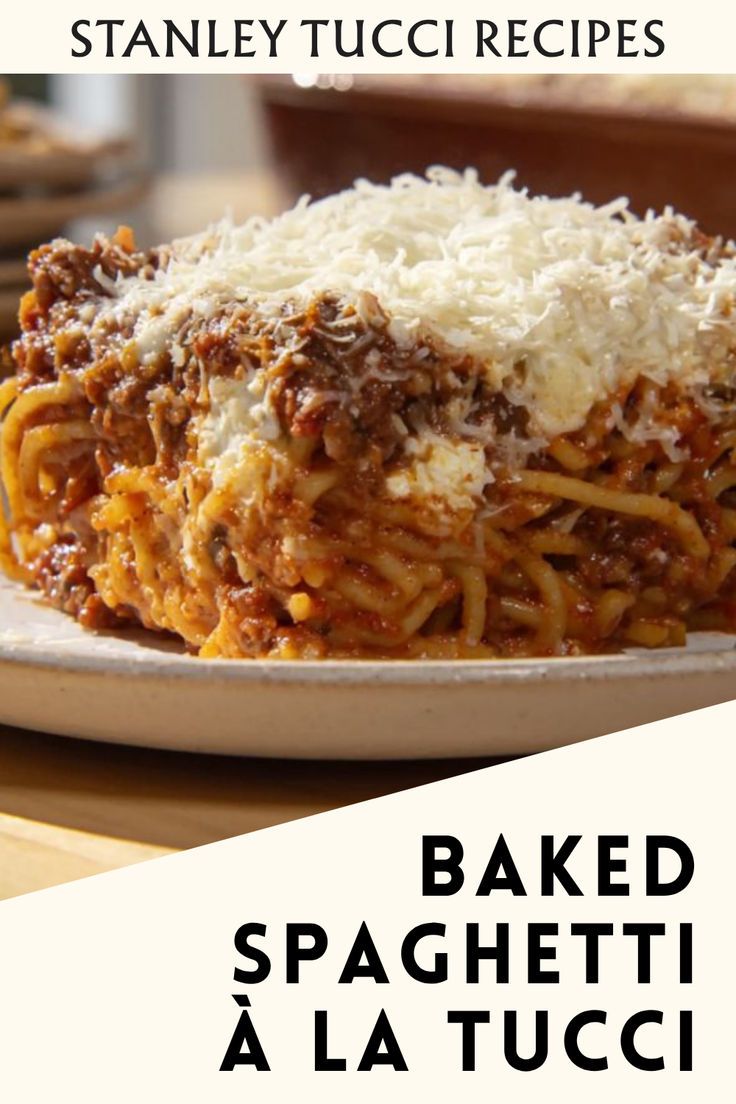
Italian Pasta Dishes
Italian pasta dishes made the real way: sweet San Marzano tomato sauce, garlic, basil, and al dente pasta finished with starchy water for a glossy cling.
🧂 Ingredients
- 1 lb (454 g) dried pasta, such as spaghetti, rigatoni, or penne
- 3 tablespoons (45 ml) extra-virgin olive oil
- 6 medium garlic cloves, thinly sliced
- 1/4 teaspoon red pepper flakes
- 1 can (28 oz / 794 g) whole peeled San Marzano tomatoes, crushed by hand
- 2 tablespoons (32 g) tomato paste
- 1 teaspoon fine sea salt, plus more for the pasta water
- 1/2 teaspoon granulated sugar (optional)
- 1/2 cup (120 ml) dry white wine or 1/2 cup pasta water
- 1/2 cup (50 g) freshly grated Parmesan or Pecorino Romano
- 1/3 cup (15 g) fresh basil leaves, torn
- 2 tablespoons (28 g) cold unsalted butter
📋 Instructions
- 1Boil Salted Water — Fill a large pot with 5 quarts of water, add 1 tablespoon of salt, and bring it to a rolling boil at 212 F (100 C). A rolling boil means big, active bubbles across the whole surface, not a lazy simmer.
- 2Bloom the Garlic — Warm the olive oil in a wide skillet over medium-low heat, about 300 F (149 C), and add the sliced garlic and red pepper flakes. Cook 2 to 3 minutes until the garlic is pale golden and fragrant; pull the pan off the heat immediately if it starts to brown.
- 3Build the Sauce Base — Stir in the tomato paste and cook 1 minute until it darkens to a brick red, then pour in the wine and scrape the pan bottom. Simmer 2 minutes at a low bubble, around 200 F (93 C), until the sharp alcohol smell fades.
- 4Add Tomatoes and Simmer — Add the hand-crushed tomatoes, 1 teaspoon salt, and the optional sugar. Bring to a gentle simmer, roughly 195 to 205 F (90 to 96 C), and cook uncovered 18 to 20 minutes, stirring every few minutes, until the sauce thickens and pools slowly when you drag a spoon through it.
- 5Cook the Pasta — Drop the pasta into the boiling water and cook 1 minute less than the package directions, usually 8 to 10 minutes. Reserve 1 cup of pasta water, then drain. The noodles should bend but still have a firm bite in the center.
- 6Marry Pasta and Sauce — Add the drained pasta to the skillet over medium-low heat, about 300 F (149 C), along with 1/2 cup of the reserved pasta water. Toss constantly for 2 minutes until the sauce coats every piece and the pan looks glossy, not soupy.
- 7Finish Off the Heat — Remove the pan from the burner and stir in the cold butter and grated cheese, tossing hard for 30 seconds until the sauce turns silky. If it looks tight, add pasta water 1 tablespoon at a time.
- 8Plate and Serve — Twirl or spoon the pasta into warm bowls, top with torn basil, and finish with a drizzle of olive oil and extra cheese. Serve immediately, since pasta waits for no one and cools fast.

Ethan writes about technology and digital privacy, focusing on how to protect your online identity without being a tech expert. He translates complex security concepts into everyday language and practical steps.