Making fresh pasta from scratch is easier than you think, and the payoff is a silky, tender noodle that puts dried pasta to shame. This recipe walks you through the entire process, from mixing the dough to tossing the finished strands in a fragrant garlic butter sauce.
Advertisements1
The key is to use a simple 2-ingredient dough (flour and eggs) and to knead it properly. You don't need a pasta machine – a rolling pin and a sharp knife work fine. The sauce comes together in the time it takes to boil the pasta, so the whole dish is on the table in under 30 minutes.
Whether you're a seasoned cook or a beginner, this recipe is foolproof. The steps are precise, and I've included visual cues so you know exactly what to look for at each stage.
Why You'll Love This Recipe
About the Ingredients
2 cups (250g) all-purpose flour, plus more for dusting
Use '00' flour if you have it for a silkier texture, but all-purpose works great. Tip: Spoon flour into your measuring cup and level off – don't scoop, or you'll get too much.
3 large eggs (about 150g)
Large eggs are standard. If you have extra-large, use 2 and add a teaspoon of water if the dough seems dry. Tip: Bring eggs to room temperature for easier mixing.
1/2 teaspoon salt
Fine sea salt dissolves quickly. Table salt works too, but reduce to 1/4 teaspoon if using iodized.
1/4 cup (55g) unsalted butter
Use high-quality butter for the best flavor. Salted butter? Omit the added salt in the sauce.
4 cloves garlic, minced
Fresh garlic is essential. Substitute 1 teaspoon garlic powder if you're in a pinch, but fresh gives a sharper bite.
1/2 cup (50g) grated Parmesan cheese
Buy a block and grate it yourself – pre-grated doesn't melt as smoothly. Pecorino Romano is a sharper substitute.
1/4 cup (60ml) heavy cream (optional)
Adds richness to the sauce. Omit for a lighter dish or use half-and-half, but the sauce will be thinner.
1/4 cup (10g) fresh parsley, chopped
Flat-leaf parsley has more flavor. Curly works too, but it's less aromatic. Substitute basil or chives.
Salt and black pepper to taste
Season the pasta water generously – it's the only chance to season the pasta itself.
Tips & Tricks
Don't overwork the dough
Knead just until smooth – about 8-10 minutes. Over-kneading makes the pasta tough.
Rest the dough
Let it rest for 30 minutes (covered) to relax the gluten. This makes rolling easier and prevents shrinking.
Use plenty of flour when rolling
Dust the work surface and the dough often to prevent sticking. If it sticks, add more flour.
Cook in batches
Fresh pasta cooks in 2-3 minutes. Don't overcrowd the pot, or the temperature drops and the pasta clumps.
Pro Tips
Step-by-Step Instructions
1. Make the dough
On a clean surface, mound the flour and salt. Make a well in the center and crack in the eggs. Use a fork to whisk the eggs, gradually incorporating the flour from the edges. When it becomes too stiff, use your hands to bring it into a shaggy ball.
2. Knead the dough
Knead for 8-10 minutes until the dough is smooth and elastic. It should spring back when poked. Wrap in plastic wrap and rest at room temperature for 30 minutes.
3. Roll out the pasta
Divide the dough into 4 pieces. Keep the rest covered. Flatten one piece into a disc, then roll with a rolling pin, starting from the center outward. Roll until it's about 1/16 inch (1.5mm) thick, dusting with flour as needed. The sheet should be translucent enough to see your hand through.
4. Cut the noodles
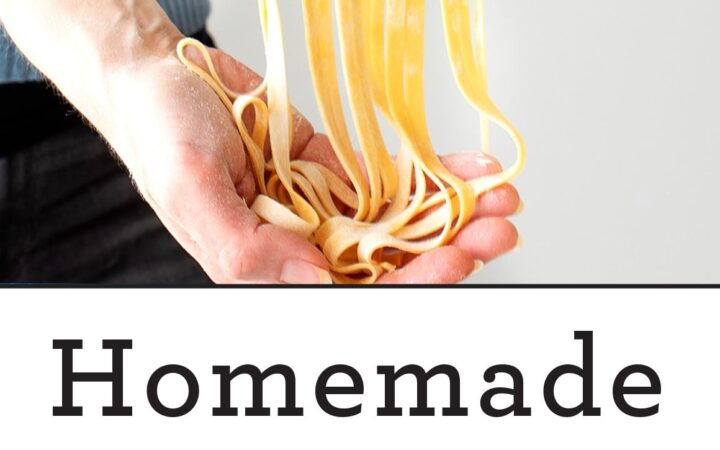
Let the sheet rest for 5 minutes on a floured surface to dry slightly. Then, fold it into a loose rectangle (like a letter), and slice into 1/4-inch (6mm) strips with a sharp knife. Unfurl the noodles and dust with flour. Repeat with remaining dough.
5. Cook the pasta
Bring a large pot of salted water to a rolling boil (212°F/100°C). Add the fresh pasta and cook for 2-3 minutes until al dente – it should float to the surface and have a slight bite. Reserve 1/2 cup pasta water, then drain.
6. Make the sauce
While the pasta cooks, melt the butter in a large skillet over medium heat (350°F/175°C). Add the garlic and sauté for 1-2 minutes until fragrant and just golden (do not brown). Reduce heat to low and stir in the cream (if using) and Parmesan, whisking until smooth.
7. Combine and serve
Add the drained pasta to the skillet with the sauce. Toss to coat, adding a splash of reserved pasta water if needed to loosen. Season with salt and pepper to taste. Garnish with parsley and extra Parmesan. Serve immediately.
Delicious Variations
Lemon Herb
Add 1 tablespoon lemon zest and 2 tablespoons fresh thyme to the sauce for a bright, zesty flavor.
Spicy Arrabbiata
Skip the cream and add 1 teaspoon red pepper flakes and 1/2 cup crushed tomatoes to the garlic butter.
Mushroom Alfredo
Sauté 1 cup sliced mushrooms in the butter before adding garlic, then proceed – adds earthy depth.
How to Store Fresh Pasta Dish
Refrigerator
Store cooked pasta in an airtight container for up to 3 days. Toss with a little olive oil to prevent sticking.
Freezer
Freeze uncooked pasta (dust well with flour) in a single layer on a baking sheet, then transfer to a zip-top bag. Freeze for up to 2 months. Cook from frozen, adding 1-2 minutes to the boil time.
Reheating
Reheat in a skillet with a splash of water or olive oil over medium heat until warmed through, about 2-3 minutes. Avoid microwaving as it can make the pasta mushy.
Frequently Asked Questions
Q: Can I use a pasta maker instead of rolling by hand?
Yes, a pasta maker makes the process easier and more consistent. Roll the dough through the machine, starting at the thickest setting and working down to setting 6 (about 1/16 inch) as directed in the recipe.
Q: Why is my pasta dough too dry or too sticky?
If it's too dry, add a teaspoon of water at a time until it comes together. If too sticky, add a little flour. The dough should be smooth and not stick to your fingers – this usually happens if you used too much or too little flour.
Q: How long does fresh pasta take to cook?
Fresh pasta cooks much faster than dried – typically 2-3 minutes in boiling water, depending on thickness. It's done when it floats to the surface and is al dente with a slight bite.
Q: Can I make this dish gluten-free?
Yes, you can substitute a gluten-free all-purpose flour blend, but the dough will be more fragile. Add a teaspoon of xanthan gum if your blend doesn't include it, and handle the dough gently. The texture will be slightly different but still delicious.
Now that you've mastered fresh pasta, try it with your favorite sauce – the possibilities are endless. Share your creation in the comments below and tell me how it turned out!
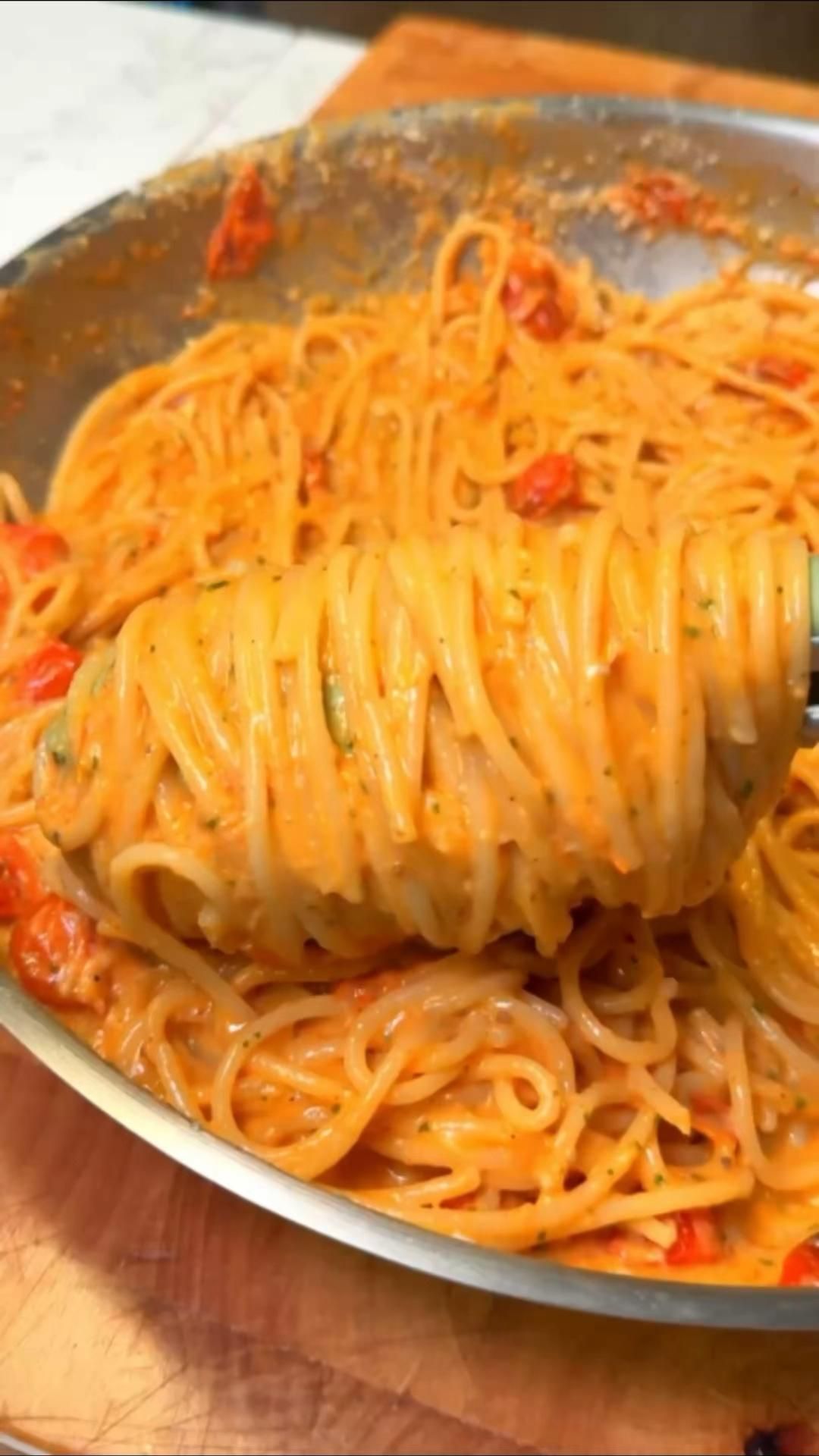
Fresh Pasta Dish
Fresh Pasta Dish: silky homemade fettuccine tossed in a rich garlic butter sauce, ready in 30 minutes. A simple, satisfying dinner.
🧂 Ingredients
- 2 cups (250g) all-purpose flour, plus more for dusting
- 3 large eggs (about 150g)
- 1/2 teaspoon salt
- 1/4 cup (55g) unsalted butter
- 4 cloves garlic, minced
- 1/2 cup (50g) grated Parmesan cheese
- 1/4 cup (60ml) heavy cream (optional)
- 1/4 cup (10g) fresh parsley, chopped
- Salt and black pepper to taste
📋 Instructions
- 1Make the dough — On a clean surface, mound the flour and salt. Make a well in the center and crack in the eggs. Use a fork to whisk the eggs, gradually incorporating the flour from the edges. When it becomes too stiff, use your hands to bring it into a shaggy ball.
- 2Knead the dough — Knead for 8-10 minutes until the dough is smooth and elastic. It should spring back when poked. Wrap in plastic wrap and rest at room temperature for 30 minutes.
- 3Roll out the pasta — Divide the dough into 4 pieces. Keep the rest covered. Flatten one piece into a disc, then roll with a rolling pin, starting from the center outward. Roll until it's about 1/16 inch (1.5mm) thick, dusting with flour as needed. The sheet should be translucent enough to see your hand through.
- 4Cut the noodles — Let the sheet rest for 5 minutes on a floured surface to dry slightly. Then, fold it into a loose rectangle (like a letter), and slice into 1/4-inch (6mm) strips with a sharp knife. Unfurl the noodles and dust with flour. Repeat with remaining dough.
- 5Cook the pasta — Bring a large pot of salted water to a rolling boil (212°F/100°C). Add the fresh pasta and cook for 2-3 minutes until al dente – it should float to the surface and have a slight bite. Reserve 1/2 cup pasta water, then drain.
- 6Make the sauce — While the pasta cooks, melt the butter in a large skillet over medium heat (350°F/175°C). Add the garlic and sauté for 1-2 minutes until fragrant and just golden (do not brown). Reduce heat to low and stir in the cream (if using) and Parmesan, whisking until smooth.
- 7Combine and serve — Add the drained pasta to the skillet with the sauce. Toss to coat, adding a splash of reserved pasta water if needed to loosen. Season with salt and pepper to taste. Garnish with parsley and extra Parmesan. Serve immediately.

Liam covers personal finance for young professionals, with a no-nonsense approach to budgeting and investing. He shares strategies he's tested while paying off his own student loans.