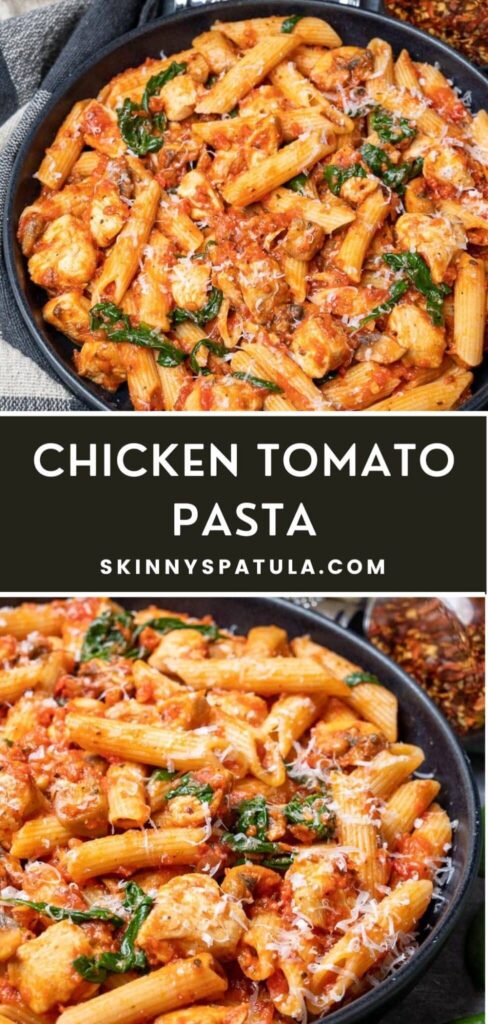
Picture this: the sun is setting over a rustic Italian piazza, and the air is thick with the scent of simmering tomatoes and garlic. That's the magic of this tomato pasta recipe—it's a dish that transports you straight to the old country, no passport needed. I've spent years perfecting this sauce, balancing the sweetness of ripe tomatoes with a kick of chili and a generous swirl of olive oil.
Advertisements1
This isn't just any pasta night. It's a celebration of simple ingredients done right. Whether you're a seasoned home cook or just starting your culinary journey, this recipe is your golden ticket to a restaurant-quality meal that comes together in a flash. The secret? Letting the sauce bubble and thicken until it clings to every strand of pasta like a warm embrace.
So grab your favorite pot, pour a glass of red, and let's get cooking. This is the kind of dish that makes you want to invite the neighbors over—or just keep it all to yourself. Either way, you're in for a treat.
Why You'll Love This Recipe
About the Ingredients
12 oz (340g) spaghetti or your favorite long pasta
Use high-quality durum wheat pasta for best texture. Gluten-free? Swap in your favorite GF spaghetti.
3 tablespoons extra-virgin olive oil
A good olive oil makes a difference—use a fruity, peppery one. If you're out, use a neutral oil plus a pat of butter at the end.
4 cloves garlic, thinly sliced
Fresh garlic is key; avoid pre-minced. For a milder taste, remove the green germ from each clove.
1/2 teaspoon red pepper flakes (optional)
Adjust to your heat tolerance. If you like it mild, omit or reduce to a pinch.
1 can (28 oz / 800g) whole peeled San Marzano tomatoes
San Marzano tomatoes are sweeter and less acidic. If you can't find them, use a good-quality canned whole tomato and add a pinch of sugar.
1 teaspoon dried oregano
Dried oregano adds earthy depth. Italian seasoning works in a pinch, but oregano is classic.
1 teaspoon kosher salt, plus more for pasta water
Salt in pasta water is essential—it should taste like the sea. Use kosher or sea salt for best results.
1/2 teaspoon freshly ground black pepper
Freshly ground pepper gives a bright kick. Pre-ground is fine but less aromatic.
1/2 cup (120ml) reserved pasta water
This starchy water helps bind the sauce to the pasta. Save it before draining.
1/2 cup fresh basil leaves, torn
Fresh basil is non-negotiable. If you only have dried, add 1 teaspoon in the sauce, but fresh is far superior.
1/4 cup (25g) grated Parmesan cheese, plus more for serving
Buy a block of Parmigiano-Reggiano and grate it yourself for maximum flavor. Pecorino Romano is a sharper alternative.
Tips & Tricks
- Don't rinse the pasta after draining; the starch helps the sauce cling. Only rinse if you're making a cold pasta salad.
- If your sauce tastes too acidic, add a pinch of sugar or a knob of butter to balance it out.
- For a richer flavor, brown the garlic in the oil until golden before adding the tomatoes—this adds a nutty depth.
- Always reserve a cup of pasta water before draining. It's your secret weapon for the perfect silky sauce.
Pro Tips
Step-by-Step Instructions
1. Boil the Pasta
Bring a large pot of salted water to a rolling boil over high heat (212°F / 100°C). Add the spaghetti and cook according to package directions until al dente, usually 8-10 minutes. Stir occasionally to prevent sticking.
2. Sauté the Aromatics
While the pasta cooks, heat the olive oil in a large skillet over medium heat (350°F / 175°C). Add the garlic and red pepper flakes, and sauté for 1-2 minutes until the garlic is fragrant and just starting to turn golden, not brown. This infuses the oil with flavor.
3. Simmer the Tomato Sauce
Add the whole tomatoes with their juices to the skillet, crushing them with a wooden spoon. Stir in the oregano, salt, and pepper. Bring the sauce to a gentle simmer, then reduce the heat to low-medium (around 200°F / 93°C) and let it bubble gently for 15 minutes, stirring occasionally until the sauce thickens.
4. Reserve Pasta Water
When the pasta is al dente, scoop out 1 cup of the starchy cooking water and set aside. Then drain the pasta in a colander. Do not rinse.
5. Combine Pasta and Sauce
Add the drained spaghetti directly to the skillet with the sauce. Turn the heat to medium-high (375°F / 190°C). Toss the pasta with tongs for 1-2 minutes, adding splashes of reserved pasta water as needed to create a silky sauce that coats every strand.
6. Finish with Basil and Cheese
Remove the skillet from the heat. Stir in the torn basil and grated Parmesan cheese, tossing until the cheese melts and the basil wilts slightly. The sauce should look glossy and cling to the pasta.
7. Serve Immediately
Divide the pasta among warm bowls. Top with extra Parmesan, a drizzle of olive oil, and a few fresh basil leaves. Serve hot and enjoy the burst of Italian sunshine.
Delicious Variations
Add protein
Toss in grilled chicken, shrimp, or sautéed Italian sausage for a heartier meal.
Veggie-packed
Add diced zucchini, bell peppers, or mushrooms when you sauté the garlic for extra nutrition.
Spicy arrabbiata
Double the red pepper flakes and add a pinch of cayenne for a fiery kick.
How to Store Tomato Pasta Recipe
Refrigerator
Store in an airtight container for up to 4 days. The pasta will absorb some sauce; add a splash of water when reheating.
Freezer
Freeze the sauce (without pasta) for up to 3 months. Thaw overnight in the fridge and reheat gently.
Reheating
Reheat in a skillet over medium heat, adding a little pasta water or olive oil to revive the sauce. Microwave works too.
Frequently Asked Questions
Q: Can I use fresh tomatoes instead of canned?
Yes, you can use fresh tomatoes, but you'll need about 2 pounds (900g) of ripe plum tomatoes. Blanch, peel, and chop them before adding. Canned San Marzano are more consistent in flavor.
Q: What type of pasta works best?
Long, thin pasta like spaghetti, linguine, or fettuccine is traditional, but any shape works. The sauce clings well to ridges and curves, so penne or fusilli are great too.
Q: How do I make this dish vegan?
Simply omit the Parmesan cheese and use a vegan alternative or just skip it. The sauce is naturally vegan with olive oil and no dairy.
Q: Can I add meat to this recipe?
Absolutely. Brown ground beef, Italian sausage, or pancetta first, then remove it and proceed with the sauce. Stir the meat back in at the end for a hearty ragu.
Now that you've got this tomato pasta recipe up your sleeve, it's time to twirl, taste, and enjoy. If you try it, leave a comment below—I'd love to hear how it turned out. And don't forget to share your pasta pics on Instagram with #PastaAdventures. Hasta la próxima!
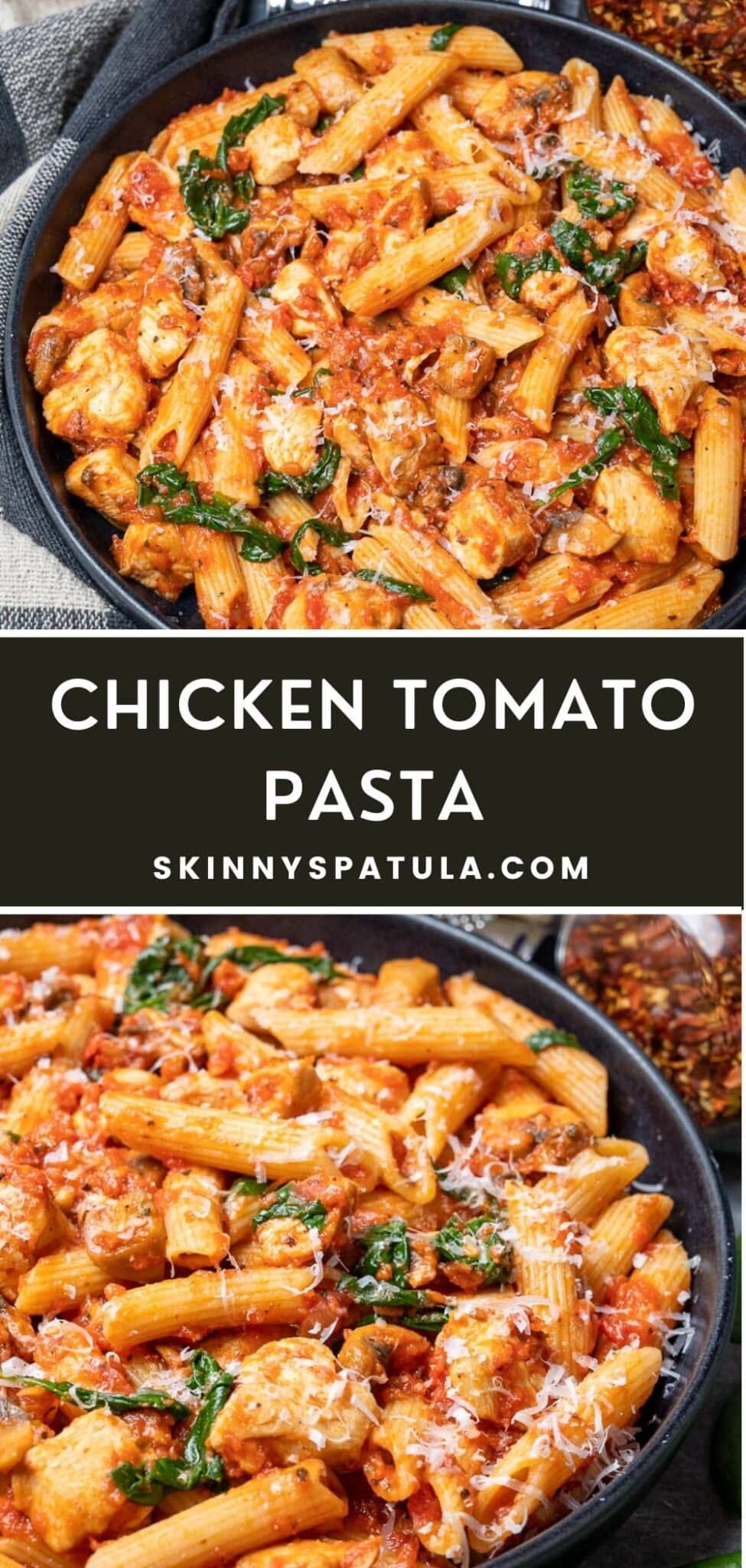
Tomato Pasta Recipe
Tomato Pasta Recipe: a vibrant, garlicky Italian classic with fresh basil, ready in 30 minutes for a quick weeknight dinner.
🧂 Ingredients
- 12 oz (340g) spaghetti or your favorite long pasta
- 3 tablespoons extra-virgin olive oil
- 4 cloves garlic, thinly sliced
- 1/2 teaspoon red pepper flakes (optional)
- 1 can (28 oz / 800g) whole peeled San Marzano tomatoes
- 1 teaspoon dried oregano
- 1 teaspoon kosher salt, plus more for pasta water
- 1/2 teaspoon freshly ground black pepper
- 1/2 cup (120ml) reserved pasta water
- 1/2 cup fresh basil leaves, torn
- 1/4 cup (25g) grated Parmesan cheese, plus more for serving
📋 Instructions
- 1Boil the Pasta — Bring a large pot of salted water to a rolling boil over high heat (212°F / 100°C). Add the spaghetti and cook according to package directions until al dente, usually 8-10 minutes. Stir occasionally to prevent sticking.
- 2Sauté the Aromatics — While the pasta cooks, heat the olive oil in a large skillet over medium heat (350°F / 175°C). Add the garlic and red pepper flakes, and sauté for 1-2 minutes until the garlic is fragrant and just starting to turn golden, not brown. This infuses the oil with flavor.
- 3Simmer the Tomato Sauce — Add the whole tomatoes with their juices to the skillet, crushing them with a wooden spoon. Stir in the oregano, salt, and pepper. Bring the sauce to a gentle simmer, then reduce the heat to low-medium (around 200°F / 93°C) and let it bubble gently for 15 minutes, stirring occasionally until the sauce thickens.
- 4Reserve Pasta Water — When the pasta is al dente, scoop out 1 cup of the starchy cooking water and set aside. Then drain the pasta in a colander. Do not rinse.
- 5Combine Pasta and Sauce — Add the drained spaghetti directly to the skillet with the sauce. Turn the heat to medium-high (375°F / 190°C). Toss the pasta with tongs for 1-2 minutes, adding splashes of reserved pasta water as needed to create a silky sauce that coats every strand.
- 6Finish with Basil and Cheese — Remove the skillet from the heat. Stir in the torn basil and grated Parmesan cheese, tossing until the cheese melts and the basil wilts slightly. The sauce should look glossy and cling to the pasta.
- 7Serve Immediately — Divide the pasta among warm bowls. Top with extra Parmesan, a drizzle of olive oil, and a few fresh basil leaves. Serve hot and enjoy the burst of Italian sunshine.

Diego writes about travel and cultural immersion, focusing on off-the-beaten-path destinations. He shares stories from his backpacking trips and tips for authentic experiences.