There's something magical about a pot of tomato sauce bubbling on the stove. It fills your kitchen with a warm, comforting aroma that says 'home' louder than any words. I still remember the first time I made this sauce—I was nervous about getting it 'right,' but the beauty of this recipe is that it's forgiving and flexible. You can't really mess it up, and that's exactly what I love about it.
Advertisements1
This Homemade Tomato Pasta Sauce is my go-to for busy weeknights and lazy Sundays alike. It's made with pantry staples, comes together in about 50 minutes, and tastes so much fresher than anything from a jar. Whether you're tossing it with spaghetti, layering it in lasagna, or spooning it over meatballs, this sauce brings a little piece of Italy to your table.
Why You'll Love This Recipe
About the Ingredients
2 tablespoons (30 ml) extra-virgin olive oil
Use a good-quality olive oil for the best flavor. You can substitute with butter or a neutral oil like avocado.
1 medium yellow onion, finely chopped (about 1 cup)
Yellow or sweet onions work best. Shallots are a great alternative for a milder taste.
4 cloves garlic, minced
Fresh garlic is key. In a pinch, use 1 teaspoon garlic powder, but the flavor won't be as bright.
1/4 teaspoon red pepper flakes (optional for heat)
Adjust to your spice preference. Omit for a kid-friendly version.
2 cans (28 ounces / 794 g each) whole peeled tomatoes, preferably San Marzano
San Marzano tomatoes are sweeter and less acidic. If you can't find them, use any good-quality whole peeled tomatoes.
1/2 cup (120 ml) water or vegetable broth
Water is fine, but broth adds extra depth. Use red wine for a richer flavor.
1 teaspoon dried oregano
Fresh oregano (1 tablespoon) can be used if you have it. Dried is more convenient.
1 teaspoon dried basil
Fresh basil (2 tablespoons, chopped) is lovely, but dried works well.
1 teaspoon salt, plus more to taste
Sea salt or kosher salt preferred. Adjust based on your dietary needs.
1/2 teaspoon black pepper
Freshly ground is best for flavor.
1 teaspoon sugar (optional, to balance acidity)
Add only if your tomatoes are very acidic. You can also use a pinch of baking soda.
Tips & Tricks
- For a smoother sauce, blend it with an immersion blender right in the pot. For a chunkier texture, crush the tomatoes with a potato masher.
- If you have time, let the sauce simmer longer—up to 2 hours—for even deeper flavor. Just add a little extra water if it gets too thick.
- Taste as you go! Seasoning is personal. Start with less salt and add more at the end if needed.
Pro Tips
Step-by-Step Instructions
1. Sauté the aromatics
Heat the olive oil in a large pot or Dutch oven over medium heat (350°F / 175°C). Add the chopped onion and cook until soft and translucent, about 5-7 minutes, stirring occasionally. The onion should look golden at the edges—that's your cue it's ready.
2. Add garlic and spices
Stir in the minced garlic and red pepper flakes (if using). Cook for 1 minute until fragrant, but don't let the garlic brown—it can turn bitter. You'll smell the garlic release its aroma immediately.
3. Add the tomatoes
Pour in the whole peeled tomatoes, including their juices. Use your spoon or a potato masher to break them up. If you prefer a smoother sauce, you can crush them with your hands before adding.
4. Add liquid and herbs
Add the water or broth, oregano, basil, salt, and pepper. Stir everything together, scraping up any browned bits from the bottom of the pot—that's where a lot of flavor lives.
5. Simmer the sauce
Bring the sauce to a gentle boil, then reduce the heat to low (around 200°F / 95°C). Let it simmer uncovered for 30-35 minutes, stirring every 5-7 minutes. The sauce should be thickened and the flavors melded. You'll see the oil separate slightly on the surface—that's a sign it's done.
6. Season to taste
Taste the sauce and adjust seasoning with more salt, pepper, or a pinch of sugar if it's too acidic. Remember, the sauce will continue to develop flavor as it rests.
7. Blend or leave chunky
If you like a smooth sauce, use an immersion blender to puree it to your desired consistency. If you prefer a rustic texture, leave it as is. For a very silky sauce, you can pass it through a food mill.
8. Serve and enjoy
Serve immediately over your favorite pasta, or let it cool and store it for later. The sauce will keep in the fridge for up to 5 days or in the freezer for up to 3 months.
Delicious Variations
Vegetable-Packed
Sauté grated carrots, zucchini, or bell peppers with the onion for extra nutrients and sweetness.
Meaty Marinara
Brown 1/2 pound (225 g) ground beef or Italian sausage before adding the onion, then proceed as directed.
Spicy Arrabbiata
Increase the red pepper flakes to 1 teaspoon and add a pinch of cayenne for a fiery kick.
How to Store Homemade Tomato Pasta Sauce
Refrigerator
Store in an airtight container in the fridge for up to 5 days.
Freezer
Freeze in freezer-safe bags or containers for up to 3 months. Thaw overnight in the fridge before reheating.
Reheating
Reheat gently on the stovetop over low heat, adding a splash of water if the sauce is too thick. You can also microwave in 30-second bursts, stirring in between.
Frequently Asked Questions
Q: Can I use crushed tomatoes instead of whole peeled tomatoes?
Yes, you can use crushed tomatoes. They are already pureed and will save you a step, but the texture will be smoother. Whole peeled tomatoes give you more control over chunkiness.
Q: How do I make this sauce less acidic?
Add a pinch of sugar or a grated carrot while simmering. The natural sweetness balances the acidity. You can also add a pat of butter at the end.
Q: Can I make this sauce in a slow cooker?
Absolutely. Sauté the aromatics first, then combine everything in the slow cooker and cook on low for 4-6 hours. The sauce will be even more developed.
Q: What if I don't have fresh garlic?
Use 1/2 teaspoon garlic powder per clove, but add it with the other dried herbs rather than sautéing it. The flavor will be slightly different but still delicious.
I hope you enjoy this sauce as much as my family does. Remember, cooking is all about making it your own—so taste, adjust, and have fun. If you try it, I'd love to hear how it turned out. Leave a comment below or tag me in your photos. Happy cooking! With love, Aisha
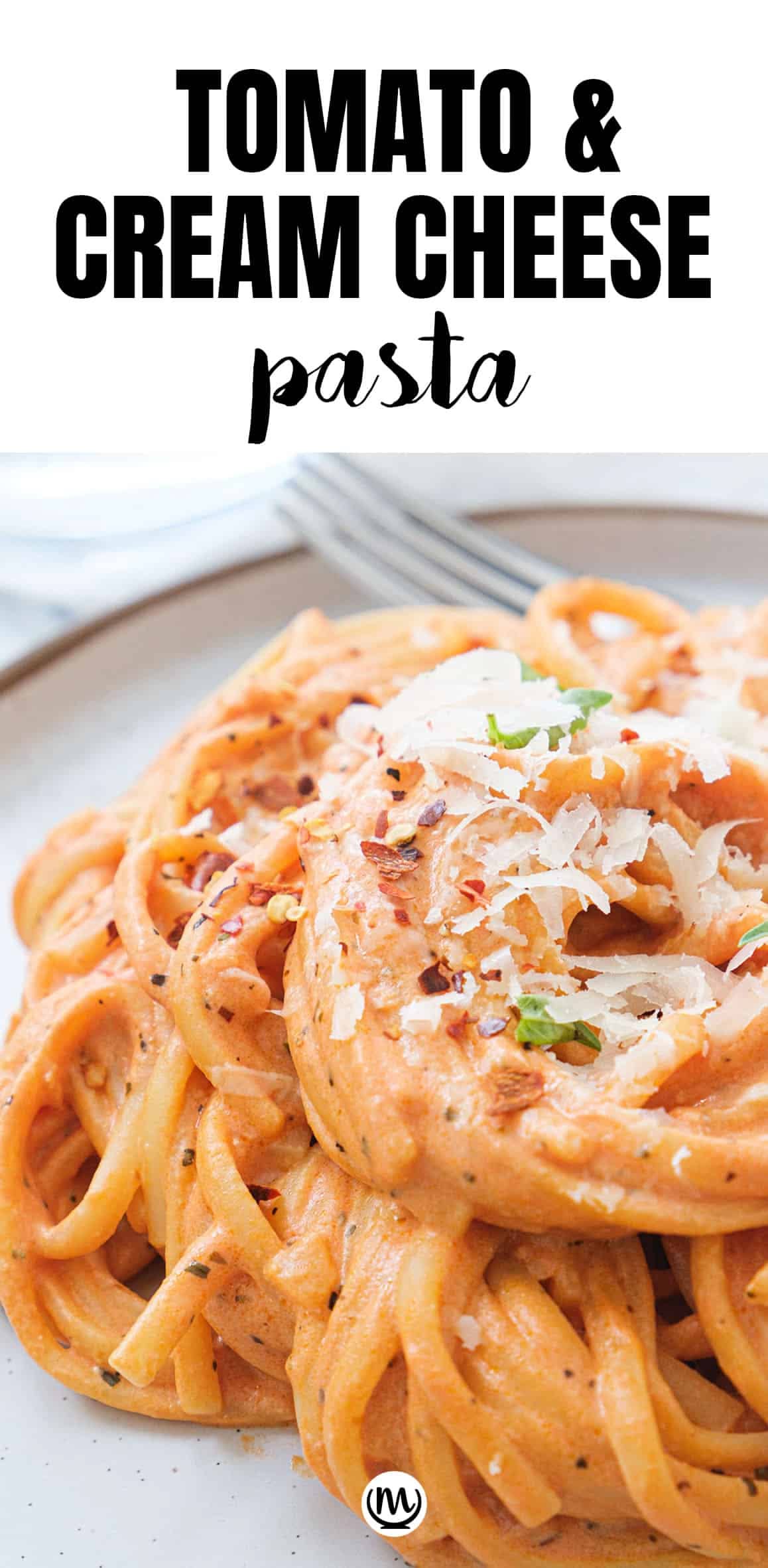
Homemade Tomato Pasta Sauce
Rich, slow-simmered Homemade Tomato Pasta Sauce that tastes like Italy—simple, fresh, and ready in under an hour.
🧂 Ingredients
- 2 tablespoons (30 ml) extra-virgin olive oil
- 1 medium yellow onion, finely chopped (about 1 cup)
- 4 cloves garlic, minced
- 1/4 teaspoon red pepper flakes (optional for heat)
- 2 cans (28 ounces / 794 g each) whole peeled tomatoes, preferably San Marzano
- 1/2 cup (120 ml) water or vegetable broth
- 1 teaspoon dried oregano
- 1 teaspoon dried basil
- 1 teaspoon salt, plus more to taste
- 1/2 teaspoon black pepper
- 1 teaspoon sugar (optional, to balance acidity)
📋 Instructions
- 1Sauté the aromatics — Heat the olive oil in a large pot or Dutch oven over medium heat (350°F / 175°C). Add the chopped onion and cook until soft and translucent, about 5-7 minutes, stirring occasionally. The onion should look golden at the edges—that's your cue it's ready.
- 2Add garlic and spices — Stir in the minced garlic and red pepper flakes (if using). Cook for 1 minute until fragrant, but don't let the garlic brown—it can turn bitter. You'll smell the garlic release its aroma immediately.
- 3Add the tomatoes — Pour in the whole peeled tomatoes, including their juices. Use your spoon or a potato masher to break them up. If you prefer a smoother sauce, you can crush them with your hands before adding.
- 4Add liquid and herbs — Add the water or broth, oregano, basil, salt, and pepper. Stir everything together, scraping up any browned bits from the bottom of the pot—that's where a lot of flavor lives.
- 5Simmer the sauce — Bring the sauce to a gentle boil, then reduce the heat to low (around 200°F / 95°C). Let it simmer uncovered for 30-35 minutes, stirring every 5-7 minutes. The sauce should be thickened and the flavors melded. You'll see the oil separate slightly on the surface—that's a sign it's done.
- 6Season to taste — Taste the sauce and adjust seasoning with more salt, pepper, or a pinch of sugar if it's too acidic. Remember, the sauce will continue to develop flavor as it rests.
- 7Blend or leave chunky — If you like a smooth sauce, use an immersion blender to puree it to your desired consistency. If you prefer a rustic texture, leave it as is. For a very silky sauce, you can pass it through a food mill.
- 8Serve and enjoy — Serve immediately over your favorite pasta, or let it cool and store it for later. The sauce will keep in the fridge for up to 5 days or in the freezer for up to 3 months.

Aisha writes about mindful parenting and child development, drawing from her experiences raising three kids. She offers gentle, realistic advice for everyday challenges.