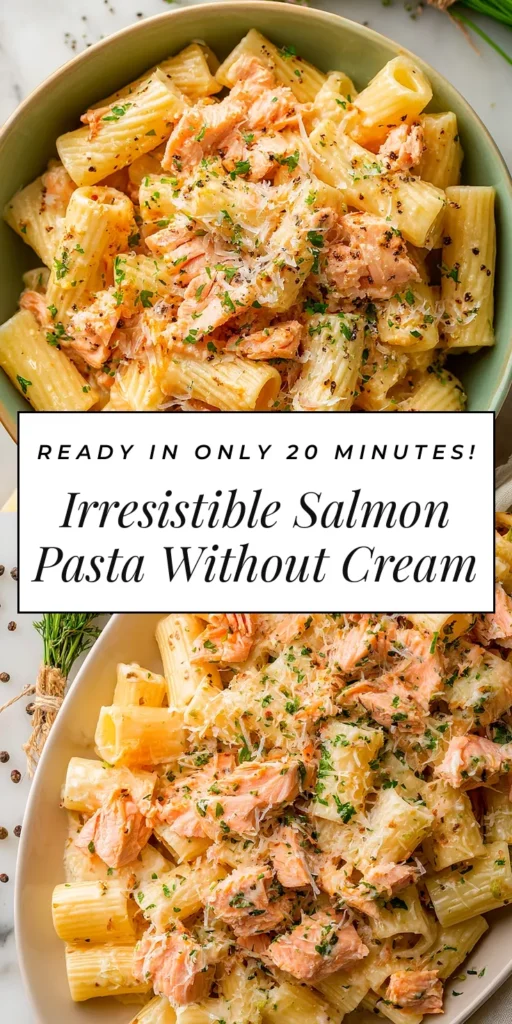
Salmon Vodka Pasta takes the internet-famous vodka sauce and gives it a richer, more elegant twist by folding in flaky roasted salmon. Think of vodka sauce as tomato cream sauce with a secret handshake: the alcohol is a solvent, like a key that unlocks flavor compounds in the tomatoes that water alone can't reach, so the sauce tastes deeper and less sharp.
Advertisements1
Here's the part most recipes skip: you roast the salmon separately at a precise temperature so it stays buttery, then flake it in at the very end. That's the difference between salmon that dissolves into the sauce and salmon you can actually see and taste.
This is a 6-serving skillet dinner that feels like a restaurant plate but uses one sheet pan and one pan. Stay curious, stay safe, and read the whole method before you turn on the stove.
Why You'll Love This Recipe
About the Ingredients
1 lb (454 g) dried rigatoni or penne
Short ridged tubes grab the creamy sauce best. If you only have spaghetti, save 1 cup of pasta water anyway, since long noodles need a looser sauce to coat evenly.
1 1/4 lb (567 g) skin-on salmon fillets, about 1 inch thick
Look for fillets of even thickness so they cook at the same rate. Frozen wild sockeye works beautifully here, just thaw it overnight in the fridge and pat it bone dry.
2 tbsp (30 ml) olive oil, divided
Regular olive oil is fine; save the expensive finishing oil for drizzling at the end. Avocado oil is a good high-heat swap if your pan runs hot.
4 garlic cloves, thinly sliced
Fresh garlic gives a sweeter bite than jarred. If you're out, 1 tsp garlic powder added with the tomatoes works in a pinch.
1/2 tsp red pepper flakes
This is the heat dial, so start with 1/4 tsp if your family is spice-shy. Aleppo pepper gives a fruitier, milder warmth.
3/4 cup (180 ml) vodka
Any plain, unflavored vodka works because you're cooking off the alcohol. Skip flavored or sweetened versions, which leave a syrupy aftertaste.
1 can (28 oz / 794 g) crushed San Marzano tomatoes
Crushed tomatoes give body without blending. If you only have whole canned tomatoes, crush them by hand or pulse them briefly.
3/4 cup (180 ml) heavy cream
Heavy cream is what makes the sauce silky and stable. For a lighter version, use half-and-half but add it off the heat so it doesn't curdle.
3/4 cup (75 g) finely grated Parmesan, plus more for serving
Grate it yourself from a block for a sauce that melts smoothly. Pre-shredded cheese is coated in starch and will turn grainy.
1/2 cup (15 g) fresh basil leaves, torn
Add half during cooking for depth and half at the end for brightness. Flat-leaf parsley is a solid substitute if basil is out of season.
Tips & Tricks
Cook the pasta 1 minute shy of al dente
It finishes in the hot sauce and absorbs flavor instead of turning mushy. Reserve 1 cup of starchy pasta water before draining, since that water is your sauce insurance.
Flake, don't stir, the salmon
Use a fork to break the roasted fillets into large chunks and fold them in gently with a spatula. Aggressive stirring shreds the fish into the sauce and kills the texture.
- Cook off the vodka fully before adding cream: Let the vodka bubble for a full 3 minutes so the raw alcohol bite disappears. If you add cream too early, the alcohol gets trapped and the sauce tastes sharp.
Pro Tips
Step-by-Step Instructions
1. Heat oven and season salmon
Heat the oven to 425F (220C). Pat the salmon dry, rub with 1 tbsp olive oil, and season all over with 1 tsp salt and 1/2 tsp black pepper. Dry skin is the secret to a crisp edge, like drying a wet glass before polishing it.
2. Roast the salmon
Place the fillets skin-side down on a lined sheet pan and roast at 425F (220C) for 12 to 14 minutes, until the flesh flakes easily with a fork and reaches 125F (52C) at the thickest point. The edges should look opaque and the skin slightly crisp. Set aside to rest.
3. Boil the pasta
Bring a large pot of generously salted water to a rolling boil and cook the rigatoni 1 minute less than the package says, about 9 minutes for standard rigatoni. It should still have a firm bite in the center. Scoop out 1 cup of pasta water, then drain.
4. Bloom garlic and pepper flakes
In a large deep skillet over medium heat, warm the remaining 1 tbsp olive oil. Add the sliced garlic and red pepper flakes and cook 60 to 90 seconds, until fragrant and just barely golden. If the garlic browns, it will taste bitter, so pull the pan off the heat immediately.
5. Add vodka and reduce
Pour in the vodka and simmer at a gentle bubble for 3 minutes, stirring, until the sharp alcohol smell is gone and the liquid has reduced by about half. This step is non-negotiable for a smooth, mellow sauce.
6. Build the tomato cream sauce
Stir in the crushed tomatoes and 1 tsp salt, bring to a simmer, and cook 8 to 10 minutes over medium-low heat, until the sauce darkens slightly and the edges bubble lazily. Stir in the cream and simmer 2 more minutes until it turns an even, glossy orange-pink.
7. Melt in Parmesan and pasta
Drop the heat to low, add the drained pasta and Parmesan, and toss for 1 to 2 minutes until the cheese melts and the sauce coats every tube. Add pasta water 2 tbsp at a time if it looks thick or clumpy.
8. Fold in salmon and basil
Gently flake the rested salmon into large chunks and fold it into the pasta with half the basil, using a spatula and just a few turns. Taste and adjust salt, then serve topped with the remaining basil, extra Parmesan, and a drizzle of olive oil.
Delicious Variations
Smoked Salmon Version
Skip roasting and fold 8 oz of cold-smoked salmon into the warm sauce off the heat for a brunch-style pasta.
Spicy Arrabbiata Salmon
Double the red pepper flakes and add 1 tbsp Calabrian chili paste with the tomatoes for a bold, fiery bowl.
Dairy-Free Coconut Cream
Swap the heavy cream for full-fat coconut milk and use nutritional yeast in place of Parmesan for a dairy-free take.
How to Store Salmon Vodka Pasta
Refrigerator
Store in an airtight container in the fridge for up to 3 days. Keep the salmon in larger chunks so it survives reheating.
Freezer
Freezing is not recommended because the cream sauce separates and the salmon turns watery. If you must, freeze the sauce without pasta or fish for up to 2 months.
Reheating
Reheat gently in a covered skillet over low heat with a splash of water or milk, about 5 minutes, stirring minimally. Avoid the microwave on high, which toughens the salmon.
Frequently Asked Questions
Q: Can I make salmon vodka pasta without vodka?
Yes, you can skip the vodka, but the sauce will taste slightly sharper and less rounded. Substitute 3/4 cup of low-sodium chicken or vegetable broth and simmer it down the same way for a similar depth.
Q: What does vodka actually do in vodka sauce?
Vodka acts as a solvent that releases flavor compounds in tomatoes that water and oil can't pull out on their own. The alcohol cooks off, so you're left with a deeper tomato flavor and no boozy taste.
Q: Can I use a different fish instead of salmon?
Yes, any firm, meaty fish works, so try halibut, cod, or even canned tuna in a pinch. Roast or sear it the same way and flake it in at the end so it doesn't overcook in the sauce.
Q: Why did my vodka sauce turn out bitter?
Bitter vodka sauce almost always means the garlic burned or the vodka wasn't reduced long enough. Keep the heat at medium, pull the pan off the burner the second the garlic turns pale gold, and let the vodka bubble a full 3 minutes.
Q: How do I keep the salmon from falling apart in the sauce?
Roast the salmon separately and fold it in at the very end with a gentle spatula, not a spoon. Large flakes hold their shape, while stirring during cooking shreds the fish into the sauce.
Give this Salmon Vodka Pasta a try on your next busy weeknight and taste how a little technique turns simple pantry staples into something special. If you make it, leave a comment with the swaps you used and how it turned out. Stay curious, stay safe.
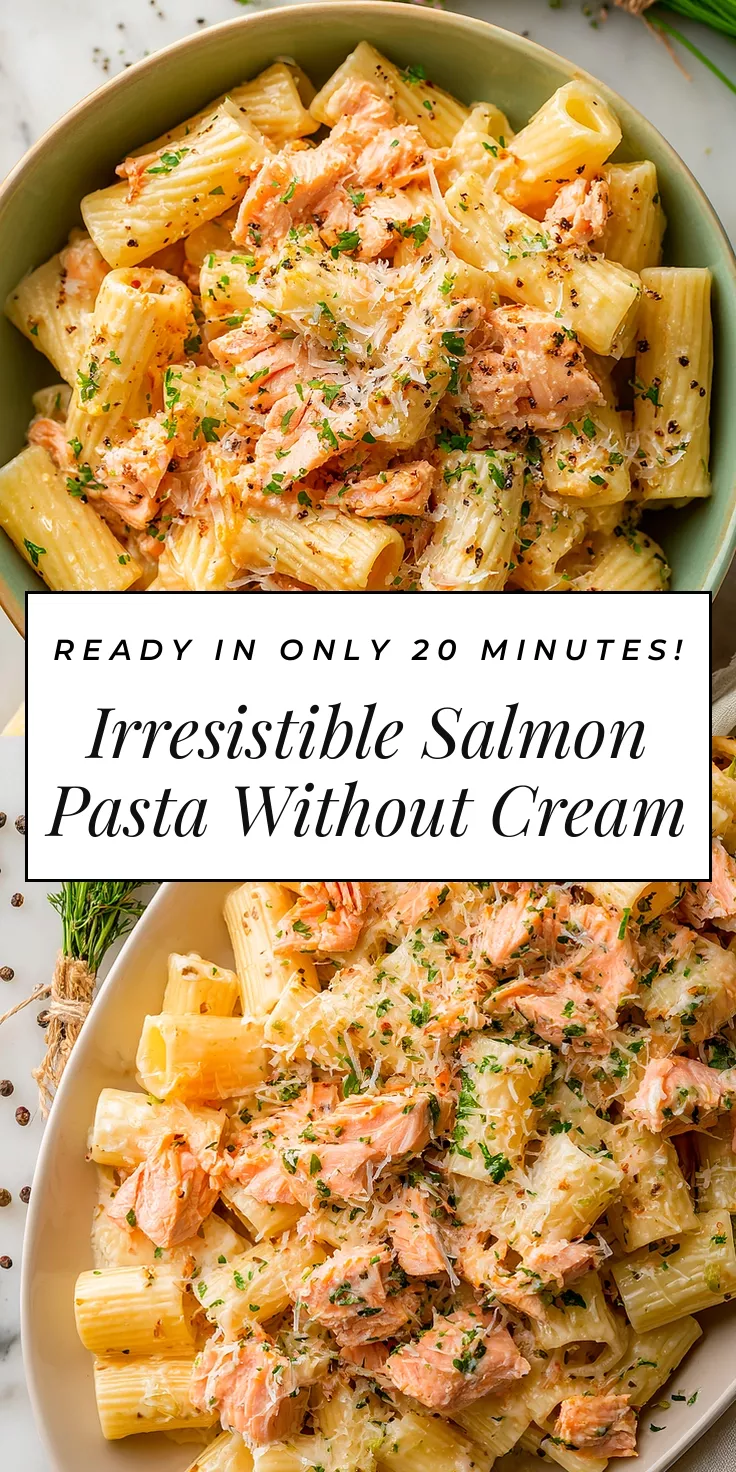
Salmon Vodka Pasta
Salmon Vodka Pasta is a creamy, tomato-kissed one-pan dinner where flaky salmon melts into a silky sauce that clings to every noodle.
🧂 Ingredients
- 1 lb (454 g) dried rigatoni or penne
- 1 1/4 lb (567 g) skin-on salmon fillets, about 1 inch thick
- 2 tbsp (30 ml) olive oil, divided
- 4 garlic cloves, thinly sliced
- 1/2 tsp red pepper flakes
- 3/4 cup (180 ml) vodka
- 1 can (28 oz / 794 g) crushed San Marzano tomatoes
- 3/4 cup (180 ml) heavy cream
- 3/4 cup (75 g) finely grated Parmesan, plus more for serving
- 1/2 cup (15 g) fresh basil leaves, torn
📋 Instructions
- 1Heat oven and season salmon — Heat the oven to 425F (220C). Pat the salmon dry, rub with 1 tbsp olive oil, and season all over with 1 tsp salt and 1/2 tsp black pepper. Dry skin is the secret to a crisp edge, like drying a wet glass before polishing it.
- 2Roast the salmon — Place the fillets skin-side down on a lined sheet pan and roast at 425F (220C) for 12 to 14 minutes, until the flesh flakes easily with a fork and reaches 125F (52C) at the thickest point. The edges should look opaque and the skin slightly crisp. Set aside to rest.
- 3Boil the pasta — Bring a large pot of generously salted water to a rolling boil and cook the rigatoni 1 minute less than the package says, about 9 minutes for standard rigatoni. It should still have a firm bite in the center. Scoop out 1 cup of pasta water, then drain.
- 4Bloom garlic and pepper flakes — In a large deep skillet over medium heat, warm the remaining 1 tbsp olive oil. Add the sliced garlic and red pepper flakes and cook 60 to 90 seconds, until fragrant and just barely golden. If the garlic browns, it will taste bitter, so pull the pan off the heat immediately.
- 5Add vodka and reduce — Pour in the vodka and simmer at a gentle bubble for 3 minutes, stirring, until the sharp alcohol smell is gone and the liquid has reduced by about half. This step is non-negotiable for a smooth, mellow sauce.
- 6Build the tomato cream sauce — Stir in the crushed tomatoes and 1 tsp salt, bring to a simmer, and cook 8 to 10 minutes over medium-low heat, until the sauce darkens slightly and the edges bubble lazily. Stir in the cream and simmer 2 more minutes until it turns an even, glossy orange-pink.
- 7Melt in Parmesan and pasta — Drop the heat to low, add the drained pasta and Parmesan, and toss for 1 to 2 minutes until the cheese melts and the sauce coats every tube. Add pasta water 2 tbsp at a time if it looks thick or clumpy.
- 8Fold in salmon and basil — Gently flake the rested salmon into large chunks and fold it into the pasta with half the basil, using a spatula and just a few turns. Taste and adjust salt, then serve topped with the remaining basil, extra Parmesan, and a drizzle of olive oil.

Ethan writes about technology and digital privacy, focusing on how to protect your online identity without being a tech expert. He translates complex security concepts into everyday language and practical steps.