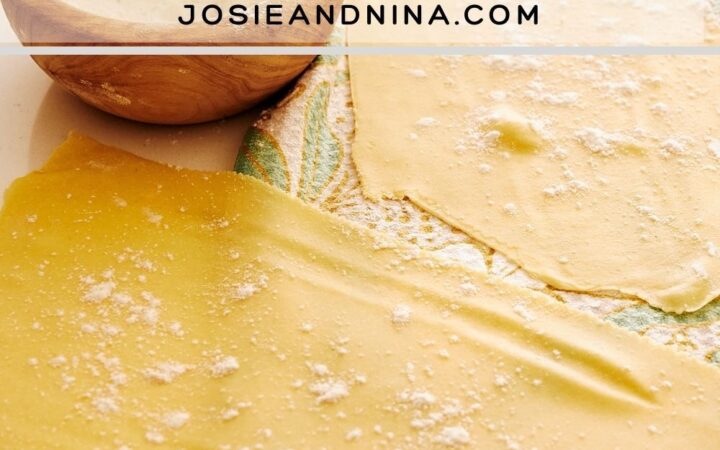

I remember the first time I tried making pasta from scratch. My kitchen looked like a flour bomb had gone off, and the dough was stickier than my toddler's hands after a lollipop. But that first bite of tender, fresh fettuccine? Pure magic. That's what I want you to experience today, without the flour storm.
Advertisements1
This is the dough I've made countless times for my family, tweaking and perfecting until it's just right. It's forgiving, simple, and produces pasta that's so much better than anything from a box. Whether you're a busy parent or a weekend cook, this recipe will become your go-to.
Trust me, if I can do it with a baby on my hip and a preschooler asking for snacks, you can too. Let's make some pasta magic together.
Why You'll Love This Recipe
About the Ingredients
2 cups (250g) all-purpose flour, plus more for dusting
All-purpose flour works great, but you can substitute '00' flour for a silkier texture. Look for it in Italian markets or online.
3 large eggs (about 150g), room temperature
Room temperature eggs incorporate better. If you're short on time, place them in warm water for 5 minutes.
1 tablespoon olive oil
Adds richness and makes the dough more pliable. You can use any neutral oil like avocado or canola.
1 teaspoon salt
Use fine sea salt for even distribution. If using kosher salt, you might need a bit more.
Semolina or cornmeal, for dusting
Semolina prevents sticking and adds a nice texture to the pasta. Cornmeal is a good substitute.
Tips & Tricks
- Weigh your flour for accuracy. Too much flour makes dough dry, too little makes it sticky.
- Knead until the dough is smooth and elastic, about 8-10 minutes. It should spring back when poked.
- Rest the dough for at least 30 minutes. This relaxes the gluten and makes it easier to roll out.
Pro Tips
Step-by-Step Instructions
1. Mix the Dough
In a large bowl, combine the flour and salt. Make a well in the center and add the eggs, olive oil, and a tablespoon of water. Using a fork, gradually incorporate the flour into the wet ingredients until a shaggy dough forms.
2. Knead the Dough
Turn the dough onto a lightly floured surface and knead for 8-10 minutes until smooth and elastic. If it feels too sticky, add a little flour; if too dry, wet your hands with water. The dough should be soft and spring back when pressed.
3. Rest the Dough
Wrap the dough in plastic wrap and let it rest at room temperature for at least 30 minutes. This allows the gluten to relax, making it easier to roll.
4. Roll the Dough
Divide the dough into 4 portions. Flatten one portion and run it through a pasta machine on the widest setting. Fold it in thirds and run through again. Repeat, moving to thinner settings, until you reach your desired thickness (usually setting 6 for fettuccine).
5. Cut the Pasta
Attach the fettuccine cutter to your pasta machine and run the sheet through. If you don't have a cutter, roll the sheet up loosely and slice into 1/4-inch strips with a sharp knife.
6. Dry the Pasta
Gently toss the cut pasta with a little semolina or cornmeal to prevent sticking. Lay it on a floured baking sheet in nests or hang it on a drying rack. Let it dry for 15-30 minutes before cooking.
7. Cook the Pasta
Bring a large pot of salted water to a rolling boil (212°F / 100°C). Add the fresh pasta and cook for 2-4 minutes, until it floats to the surface and is al dente. Taste a piece to check for doneness – it should be tender but still have a slight bite.
Delicious Variations
Spinach Pasta
Add 1/2 cup of blanched, squeezed, and pureed spinach to the dough for a vibrant green color.
Herb Pasta
Mix in 2 tablespoons of finely chopped fresh herbs like basil, parsley, or oregano for a fragrant twist.
Whole Wheat Pasta
Substitute half the all-purpose flour with whole wheat flour for a nuttier flavor and more fiber.
How to Store Best Pasta Dough Recipe
Refrigerator
Fresh pasta can be stored in the refrigerator for up to 2 days. Dust with flour and keep in an airtight container.
Freezer
Freeze the pasta in a single layer on a baking sheet, then transfer to a zip-top bag. It will keep for up to 2 months.
Reheating
Cook frozen pasta directly from frozen, adding 1-2 minutes to the cooking time.
Frequently Asked Questions
Q: Why is my pasta dough too sticky?
Your dough is too sticky because there's too much moisture. Add a little more flour, a tablespoon at a time, while kneading until it becomes smooth and no longer sticks to your hands.
Q: Can I make pasta dough without a pasta machine?
Yes, you can roll it with a rolling pin and cut it with a knife. It takes more elbow grease, but it works perfectly. Aim for an even thickness of about 1/8 inch.
Q: How long does fresh pasta take to cook?
Fresh pasta cooks much faster than dried, usually in 2-4 minutes. It's done when it floats to the surface and is tender but still al dente.
Q: Can I use gluten-free flour?
Yes, but you'll need to adjust the recipe. Use a 1:1 gluten-free flour blend and add 1 teaspoon of xanthan gum if it's not already included. The dough will be stickier, so dust with extra flour.
Now that you've mastered the dough, try it with my creamy garlic butter sauce or classic marinara. Share your pasta-making moments with me in the comments – I'd love to hear how it goes!

Best Pasta Dough Recipe
Make fresh, silky pasta at home with this foolproof dough recipe. Ready in 30 minutes, it cooks in minutes and tastes amazing.
🧂 Ingredients
- 2 cups (250g) all-purpose flour, plus more for dusting
- 3 large eggs (about 150g), room temperature
- 1 tablespoon olive oil
- 1 teaspoon salt
- Semolina or cornmeal, for dusting
📋 Instructions
- 1Mix the Dough — In a large bowl, combine the flour and salt. Make a well in the center and add the eggs, olive oil, and a tablespoon of water. Using a fork, gradually incorporate the flour into the wet ingredients until a shaggy dough forms.
- 2Knead the Dough — Turn the dough onto a lightly floured surface and knead for 8-10 minutes until smooth and elastic. If it feels too sticky, add a little flour; if too dry, wet your hands with water. The dough should be soft and spring back when pressed.
- 3Rest the Dough — Wrap the dough in plastic wrap and let it rest at room temperature for at least 30 minutes. This allows the gluten to relax, making it easier to roll.
- 4Roll the Dough — Divide the dough into 4 portions. Flatten one portion and run it through a pasta machine on the widest setting. Fold it in thirds and run through again. Repeat, moving to thinner settings, until you reach your desired thickness (usually setting 6 for fettuccine).
- 5Cut the Pasta — Attach the fettuccine cutter to your pasta machine and run the sheet through. If you don't have a cutter, roll the sheet up loosely and slice into 1/4-inch strips with a sharp knife.
- 6Dry the Pasta — Gently toss the cut pasta with a little semolina or cornmeal to prevent sticking. Lay it on a floured baking sheet in nests or hang it on a drying rack. Let it dry for 15-30 minutes before cooking.
- 7Cook the Pasta — Bring a large pot of salted water to a rolling boil (212°F / 100°C). Add the fresh pasta and cook for 2-4 minutes, until it floats to the surface and is al dente. Taste a piece to check for doneness – it should be tender but still have a slight bite.

Aisha writes about parenting and child development, sharing insights from her own journey raising two kids. She offers realistic advice on navigating the ups and downs of family life, from tantrums to teen years.