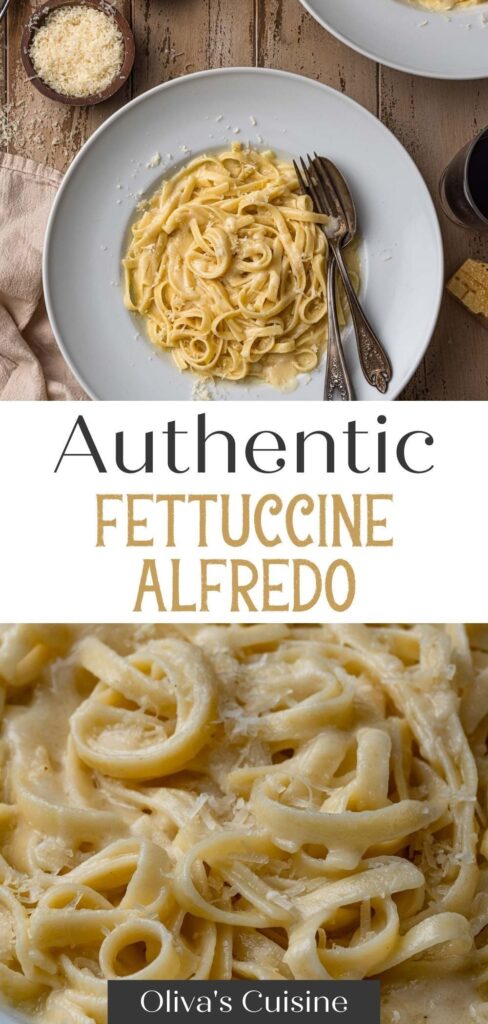
I still remember the first time I tasted true Alfredo sauce in Rome – not the heavy jarred stuff, but a glossy, nutty cloak of butter and cheese that clung to every strand. It was so simple it almost felt like a secret, and I came home determined to recreate it in my own little kitchen.
Advertisements1
This Authentic Alfredo Pasta is my love letter to that memory. It uses real Parmigiano-Reggiano, good butter, and a splash of cream to build a sauce that is rich without being gluey. If you have ever felt intimidated by making sauce from scratch, please take a breath – this one is forgiving, and I will walk beside you the whole way.
Whether you are cooking for a cozy date night or feeding hungry teenagers after practice, this recipe scales beautifully and comes together in about 35 minutes. Patience with the heat is the only real skill required, and I promise you already have that in you.
Why You'll Love This Recipe
About the Ingredients
1 lb (454 g) dried fettuccine or tagliatelle
Flat ribbons hold this silky sauce best. If you only have spaghetti or penne, they work fine – just reserve a little extra pasta water because the sauce clings differently.
1/2 cup (113 g) unsalted butter, cut into cubes
European-style butter with higher fat gives the richest flavor. In a pinch, salted butter works; just skip the added salt until you taste the finished sauce.
1 1/2 cups (360 ml) heavy cream
Use cream labeled heavy whipping cream for the silkiest body. Half-and-half will work but the sauce will be noticeably thinner, so reduce it a minute or two longer.
1 1/2 cups (150 g) freshly grated Parmigiano-Reggiano
Buy a wedge and grate it yourself – pre-shredded cheese contains anti-caking agents that make the sauce grainy. Pecorino Romano is a sharper, saltier substitute if you love bold flavor.
3 large garlic cloves, finely minced
Fresh garlic is essential; the jarred kind tastes flat and sweet. If garlic bothers your stomach, infuse the butter with a smashed clove and remove it before adding the cream.
1/2 tsp fine sea salt, plus more for the pasta water
Fine sea salt dissolves quickly into the sauce. Kosher salt works too, but use a slightly heaping half teaspoon since the flakes are larger.
1/4 tsp freshly cracked black pepper
Fresh-cracked pepper blooms in the warm butter and adds gentle heat. White pepper is a lovely swap if you want the sauce to stay perfectly pale.
2 tbsp chopped fresh flat-leaf parsley, for garnish
Parsley adds a bright, fresh finish. Basil or chives are delicious alternatives, or skip the garnish entirely if your family prefers pure cheese flavor.
Tips & Tricks
Keep the Heat Low
High heat is the number one cause of broken, greasy Alfredo – melt the butter and warm the cream over medium-low, never letting it boil hard.
Grate Your Own Cheese
Pre-shredded Parmigiano melts poorly and turns the sauce sandy; a microplane or fine grater gives you that velvety texture in seconds.
Toss Off the Heat
Add the cheese to the sauce after pulling the pan off the burner so it melts into silk instead of seizing into clumps.
Save That Pasta Water
The starchy water is liquid gold – a few tablespoons loosen the sauce and help it cling to every strand.
Pro Tips
Step-by-Step Instructions
1. Boil the Pasta
Bring a large pot of generously salted water to a rolling boil at 212 F (100 C). Add the fettuccine and cook for 10 to 11 minutes, until al dente – it should bend with a slight resistance at the center when you bite it. Reserve 1 cup of pasta water, then drain.
2. Melt the Butter
While the pasta cooks, place a wide skillet over medium-low heat, about 250 F (120 C). Add the butter cubes and swirl until fully melted and foaming gently, about 2 minutes – it should smell nutty but never brown.
3. Bloom the Garlic
Add the minced garlic to the butter and stir constantly for 60 seconds, just until fragrant and pale gold. Do not let it darken, or it will turn bitter and overpower the delicate cream.
4. Warm the Cream
Pour in the heavy cream and whisk gently. Keep the heat at medium-low, around 200 to 210 F (93 to 99 C), and let it warm for 3 to 4 minutes until small bubbles form at the edges – never a full boil.
5. Melt the Cheese
Slide the pan off the heat and whisk in the Parmigiano-Reggiano in three handfuls, letting each melt before adding the next. The sauce should look smooth, glossy, and thick enough to coat the back of a spoon.
6. Toss and Loosen
Add the drained pasta to the sauce with 2 tablespoons of reserved pasta water. Toss over low heat for 60 seconds until every strand is coated, adding more water a splash at a time if the sauce looks tight.
7. Season and Serve
Stir in the sea salt and cracked pepper, taste, and adjust. Divide among warm bowls, shower with parsley and extra Parmigiano, and serve immediately while the sauce is at its silkiest.
Delicious Variations
Chicken Alfredo
Sear 2 sliced chicken breasts in the skillet first, then proceed with the butter and cream for a heartier one-pan dinner.
Shrimp Alfredo
Saute 1 lb of shrimp with the garlic for 2 minutes until pink, then add the cream and cheese for a quick seafood twist.
Mushroom Alfredo
Brown 8 oz of sliced cremini mushrooms in butter before the garlic for an earthy, vegetarian version everyone loves.
How to Store Authentic Alfredo Pasta
Refrigerator
Store leftovers in an airtight container for up to 3 days. The sauce will thicken as it chills, which is completely normal.
Freezer
Freezing cream sauces can make them grainy, so I do not recommend it. If you must, freeze for up to 1 month and thaw overnight in the refrigerator.
Reheating
Reheat gently on the stovetop over low heat with a splash of milk or water, stirring until creamy again. Avoid the microwave on high, which can split the sauce.
Frequently Asked Questions
Q: What is the difference between authentic Alfredo and American Alfredo?
Authentic Roman Alfredo is simply butter, Parmigiano-Reggiano, and pasta water tossed with the noodles, while American Alfredo adds heavy cream and garlic for a thicker sauce. This recipe lands in between, using a modest amount of cream for a silky, foolproof result. Both are delicious, but the cream version is far more forgiving for home cooks.
Q: Why did my Alfredo sauce turn out grainy?
Grainy sauce almost always comes from pre-shredded cheese or too much heat. Anti-caking agents in bagged cheese refuse to melt smoothly, and boiling cream causes the proteins to separate. Grate a fresh wedge of Parmigiano and keep the pan at medium-low for a velvety finish every time.
Q: Can I make Alfredo pasta without heavy cream?
Yes – classic Roman Alfredo skips cream entirely and relies on butter, cheese, and starchy pasta water to create the sauce. Melt 1/2 cup of butter, toss with the drained pasta, then add 1 1/2 cups of grated Parmigiano and pasta water off the heat until glossy. It is lighter but slightly less stable, so serve it right away.
Q: How do I keep Alfredo sauce from thickening too much?
Sauce thickens as it cools and as the cheese absorbs liquid, so keep reserved pasta water on hand and add it a tablespoon at a time. Reheating over low heat with a splash of milk also brings it back to a pourable consistency. Never thin it with plain water alone, since that dilutes the flavor.
Q: What pasta shape is best for Alfredo sauce?
Fettuccine is the classic choice because its flat, porous surface grips the creamy sauce beautifully. Tagliatelle, linguine, and penne all work well, while very thin pasta like angel hair tends to clump. Whatever you choose, cook it just to al dente so it does not turn mushy in the sauce.
I hope this Authentic Alfredo Pasta becomes a cozy staple in your kitchen, the kind of recipe you reach for when you want something special without a lot of fuss. Take your time with the low heat, taste as you go, and do not be hard on yourself if the first batch is not perfect – cooking is a practice, and you are doing beautifully. Serve it with a crisp green salad and a piece of crusty bread, and let me know how it turns out. With love, Aisha
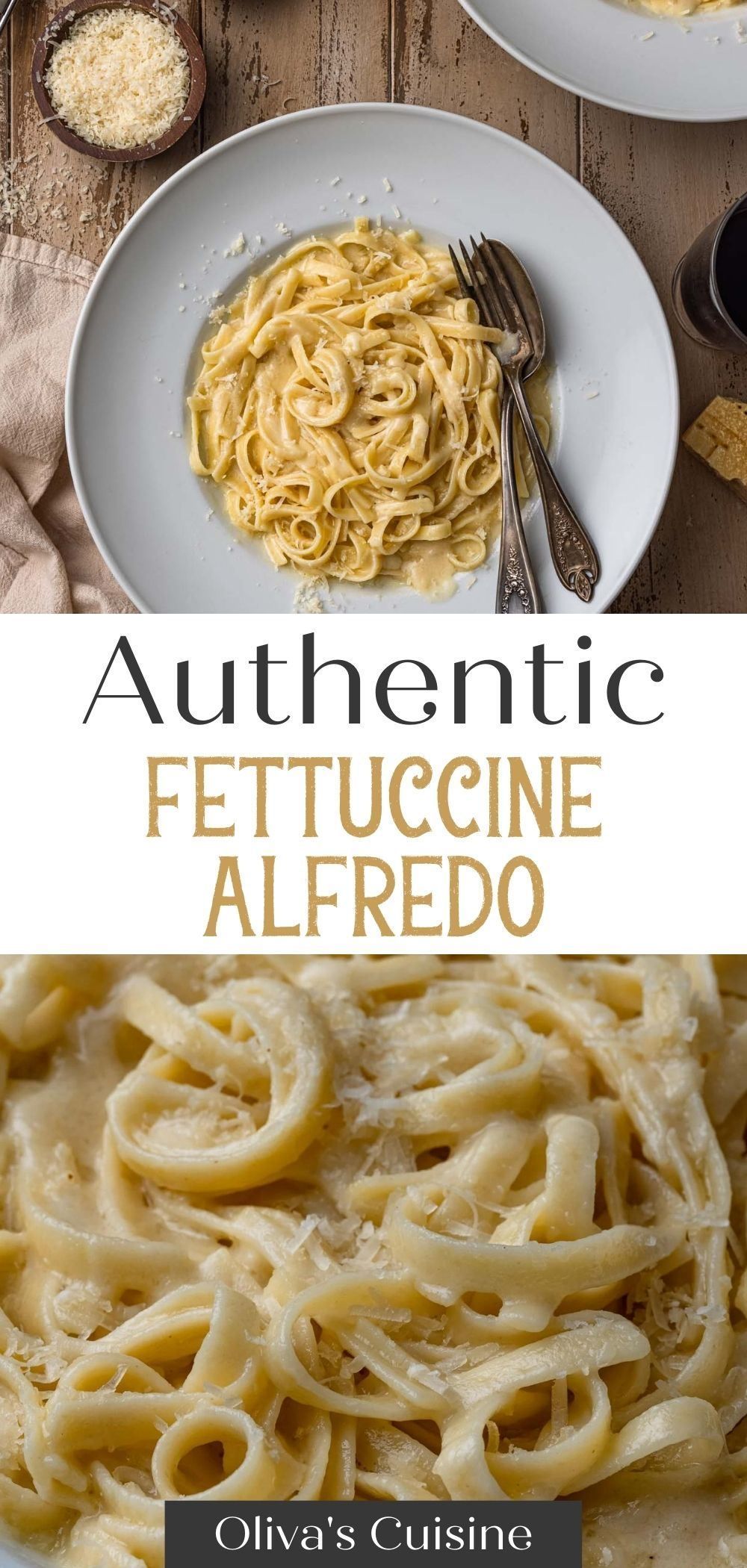
Authentic Alfredo Pasta
Authentic Alfredo pasta made the Roman way with butter, cream, and real Parmigiano-Reggiano for a silky, restaurant-quality dinner at home.
🧂 Ingredients
- 1 lb (454 g) dried fettuccine or tagliatelle
- 1/2 cup (113 g) unsalted butter, cut into cubes
- 1 1/2 cups (360 ml) heavy cream
- 1 1/2 cups (150 g) freshly grated Parmigiano-Reggiano
- 3 large garlic cloves, finely minced
- 1/2 tsp fine sea salt, plus more for the pasta water
- 1/4 tsp freshly cracked black pepper
- 2 tbsp chopped fresh flat-leaf parsley, for garnish
📋 Instructions
- 1Boil the Pasta — Bring a large pot of generously salted water to a rolling boil at 212 F (100 C). Add the fettuccine and cook for 10 to 11 minutes, until al dente – it should bend with a slight resistance at the center when you bite it. Reserve 1 cup of pasta water, then drain.
- 2Melt the Butter — While the pasta cooks, place a wide skillet over medium-low heat, about 250 F (120 C). Add the butter cubes and swirl until fully melted and foaming gently, about 2 minutes – it should smell nutty but never brown.
- 3Bloom the Garlic — Add the minced garlic to the butter and stir constantly for 60 seconds, just until fragrant and pale gold. Do not let it darken, or it will turn bitter and overpower the delicate cream.
- 4Warm the Cream — Pour in the heavy cream and whisk gently. Keep the heat at medium-low, around 200 to 210 F (93 to 99 C), and let it warm for 3 to 4 minutes until small bubbles form at the edges – never a full boil.
- 5Melt the Cheese — Slide the pan off the heat and whisk in the Parmigiano-Reggiano in three handfuls, letting each melt before adding the next. The sauce should look smooth, glossy, and thick enough to coat the back of a spoon.
- 6Toss and Loosen — Add the drained pasta to the sauce with 2 tablespoons of reserved pasta water. Toss over low heat for 60 seconds until every strand is coated, adding more water a splash at a time if the sauce looks tight.
- 7Season and Serve — Stir in the sea salt and cracked pepper, taste, and adjust. Divide among warm bowls, shower with parsley and extra Parmigiano, and serve immediately while the sauce is at its silkiest.

Aisha writes about mindful parenting and child development, drawing from her experiences raising three kids. She offers gentle, realistic advice for everyday challenges.